The very edge of reality Performer: Kristian Al Droubi Image: Priyadarshini John
The circus you read about as a child
The one full of laughing, lovable characters, their biggest crime a little ‘untidiness,’ their caravans so colourful, their lives so pleasantly (not threateningly) exciting.
The questions you ask yourself
Where do they go to the toilet?
How does sex work?
What if they don’t make any money in a town?
Do people ever get bored with their shows?
The thing that makes you want to run away with them
That they wake up in a field, ride through the countryside, that they don’t go to school, that they wander through day and night in an unregulated, idiosyncratic rhythm.
The circus you read about as an adult
Of course, the first thing that comes to mind is Angela Carter’s Nights at the Circus. The misery of the clowns that culminates in a sociopathic breakdown in the ring, the abusive Ape-man, the abused Ape-man’s wife, the anthropomorphic animals, the weeping tiger. The common thread in adult-circus-novel representation is tawdry glitter, unwashed charm and behind-the-curtains horror. But there’s also a playing on the edge of wilderness, of becoming a creature or a thing, of tightrope-dancing on the very borderline of reality and fantasy.
The circus you visit
It looks a lot like the adult circus literature, but worse.
The circus you ran away with
It wasn’t a circus at all, really, because wherever they go these days, you’re nowhere near. I haven’t been to the circus since I was a child. Cirque du Soleil did some rebranding and re-invigorating of the genre, but they’re the posh cirque, not what the Serbs call Cirkus.
I’m talking about that collection of day/night/street/club entertainers that work in seasons. Tourist season, marriage season, corporate event season, Dubai carnival season. Work-time and idle-time are equally intense, in this world. A rollercoaster relationship with a Serbian performer brought this world to my doorstep, literally. A relentless hopper over the line between art and street, he introduced me to his family, their dog, and his little circus tribe, all in one big colourful bounce into a new playground. There was a mutual adoption.
Somewhere in the era of the neo circus, as we call it
The carnival theme Image: Priyadarshini John
You can be bored and cynical about events, party trends, theme-driven cliches, but eventually you can get bored with your own cynicism. You start craving honesty, ordinariness, awakening. You get pleasure out of watching a bunch of children chasing soap bubbles. An old woman hiking up her sari, vigorously joining in the race to be the first to kill the bubble. The one bubble that escapes, floats off into space, ridiculously beautiful, defiantly other-worldly, a tiny spaceship joining the stars.
Soap bubbles Image: Priyadarshini John
When there isn’t a wave of ostentation blocking your view, you can see the production of joy and wonder, which is a lot easier than you would imagine.
Thinking back on the Serbian circus
One of the greatest imports from my little microcosmic circus was the giant butterfly stilts. It’s a miracle that they came to India at all, that they were allowed into check-in luggage, that they transited half-way across the world without being battered or bruised.
The patient butterfly
One of the things I loved doing at events was watching Serbian stilt walkers setting up the butterflies. It involves taking a pair of pliers, hammering out the metal, attaching the wings together with tiny screws, finding the straps, laying everything out on the ground and then waiting. All done in methodical calm, in patience, in preparation for a few rounds of pure physical discomfort. These wings have been created out of so much recycled material that it would give goosebumps to green activists.
In Serbia, I rail about the passivity of Serbians. In India, I love their stoicism in the face of near-violent crowds, iPhone-touting kids and the complete non-availability of basic support, including changing rooms.
The lonely, two-member circus
When the rest of the Serbian tribe went back home to recover, there was just two of us left, alone. One Indian (F) and one Serbian (M). We continued to make scattered forays across the country, doing a thing here and another thing there. We did tons of gluing, pasting, cutting, painting and cursing the blazing hot sun as it beat down on us. We complained about hotel rooms, wedding party food, flights and the lack of help. Two people alone, hunting tailors, materials, making and fighting is the kind of company that’s desperate for a crowd.
The missing tribe… Performers: Nemanja Miric, Marko Drazic at Capillotractee workshop finale Novi Sad Image: Priyadarshini John
I guess this is why so many things are done in communities. The dancing community, the ganesha-statue-making community, the wedding-banner community, the weaving communities. Because, firstly, some things cannot be done in ones or twos. Simply the scale of those things might force you to look for help. Secondly, people outside your community might not want to help you; they might think it’s dirty, or gross, or weird, or boring, or too painful. In India, community borderlines are fortressed. Moated. Landmined.
In the Serbian circus, informal communities form in a very simple, organic way. You don’t chat with your driver on the way to Croatia in a van full of equipment because you’re cool, forward-thinking and not into that whole caste thing. You do it because he’s sitting next to you. Work is interactive, wild, playful, uncensored and untainted by notions of purity.
Serbian memories
In this lonely period, I missed one Serbian (M), sitting and tooling into the night to make a couple of new pois and touring local hardware shops on his first trip to Bangalore. I missed another Serbian (M), who shot around on his unicycle through the Chennai bus stand, joining in the chorus of city-calling, earning himself some spontaneous friendships for that extra marketing effort.
Somewhere outside of Chennai, we worked on an event in a resort and one of our team hung the butterflies on the balcony of our cottage for easy access. I’ve always had trouble distinguishing hotel rooms and cottages (I guess you’re supposed to). This time, however, recognition was immediate, and from quite a distance away. And what a wonderful way to recognize a temporary home. The one with the butterflies.
One time when I was in Serbia, a movie crew that included a former Bond lead was auditioning for extras. I went for the audition not because I can act or have ever wanted to act in a movie. I just went along. Everybody went. The partner, his family, his neighbours, friends, the dog if they could just get him out of the gate. As we walked to the city center, I realized that we had collected enough people (everyone dressed weirdly because that’s how you get noticed) to make something like a parade. And I realized that this was the event. Not the Bond or his movie or his crew. Or even the audition.
I thought about all these things in India, when the two of us were alone, walking or flying or climbing ladders or trying to carry unreasonably large things.
Indian memories
Once, we stayed at a small and horrible hotel in Dwarka, a sort of suburb in New Delhi, with sticky floors and dark rooms and food made out of unrecognisable things – we entertained ourselves by coming up with possible ingredients – mud? Water and plaster? Sawdust? Stone?
On our way to the event, we stopped outside an apartment block – a part, the event manager tells us, of one of the biggest apartment colonies in – Asia? India? Something massive. A forest of buildings. Occupied and unoccupied. On the fringes of this dark grey mass, I looked across at an empty plot, bordered by a (grey) compound wall. I had this curious feeling of being on the edge of some wilderness. The only homely sight was the black-painted phone number of a key-maker who had found a strategic advertising space. Otherwise, the apartments looked distant, forbidding, and the landscape so strange, lost – the very edge of nothing, the place after the end of the world. I wondered whether this plot was so unwatched, so ignored, that it had almost become unreal.
And as we travelled on out of Delhi, into Noida, then into Greater Noida, we found more and more of them, apartments without people living in them, rising like trees out of empty landscapes, dark and ghostly in the night, with one single light in a thousand windows to really reinforce that shiver of solitude.
Travelling three hours across evening and night, cars come back and forth, carrying Very Rich People, Caterers, Event Managers and their Paraphernalia, which in our little cartel included us, The Russian Girls, and The Russian Musicians.
There’s more of course – tent-builders, flower deliverers, camera persons – we even had vanity vans to keep our things, this time. Vanity-van-drivers parked their chairs outside their charges.
I watched the guests going in and out – it’s not really a stream, more like a trickle. What do they wear? Lurid shades and glimmers of chiffon, polyester, nylon, all creating a friction in the skin, bringing humidity from the air, burning a little, making a bright note of irritation in everyone’s smile. Men in suits that all look a little too tight at the crotch, armpit and shoulders. Hampering movement. Women in high-heeled shoes. Nobody gets to move freely.
We are in three-clawed metal stilts and hoods covered in leaves and flowers and we move the least; we only circuit between cigarette breaks and phone-checks, but we pile onto the buffet in the end and we realise that our social circuit is neither small nor big, but random, fragmented – we are tied by work and untied beyond it.
What the neo-circus does when it’s on its break
A long time ago, in a country far far away Performers: Capillotractee Image: Priyadarshini John
There is a special face you make when you are traveling through people. You are not gazing in wonder at landscapes. The best English word for it is gawping. You catch yourself doing it when look, for example, through a bus window at a tiny collection of homes very close to the street. Intimate details of people’s lives are spread out in the open, before your face. Clothes hanging, kids bathing, cooking fires being lit, people resting.
You also gawp when you are a traveling entertainer at an event. You are not party to the activities and energies, and neither are you a distant observer. You are an official and accepted gawper.
Sometimes, when a grand birthday party is at its peak, a slide-show appears with photos photoshopped into backgrounds of lurid flowers awhile italics flow messages around them. I watched a full slide show once. It was pure, unadulterated gawping.
The child and the adult
When I was a child I read about the storybook circus and all I wanted then was this censored, circumcised and prettified circus life, with its bright caravans, but mainly for the way it went in and out of places, never stopping for long enough to get stuck, a neverending voyage.
Now, having made a tiny foray into the fringes of modern animation-entertainment, I find that it is not so much places that you see. In fact, you barely see them, only out of windows on the way from your hotel to the venue. It’s more like traveling through people, watching how hierarchies align themselves automatically wherever you go, and moving in and out of them, walking around the foundations, getting a worm’s eye view and a bird’s eye view of everything.
It makes me rethink my notion of the caravan itself. A S Byatt in The Djinn in the Nightingale’s Eye describes glass as a thing to be seen and to be seen with. This is something like what the neo-circus entertainer/performer is. An ephemeral, almost transparent and yet brightly-coloured entity. Something like a soap bubble.
Author: Priyadarshini John
Travel partner, maker and performer: Kristian Al Droubi
I don’t often get to see the actual ritual of a wedding, in its entirety. One of the rare times that I did, I watched it in a rage, and towards the end I started to feel desperate for escape, almost like I was suffocating. The smoke, the chanting, the oppressive need to be there and to hear this and to watch it through to the end.
A morning ritual
I don’t hate rituals in themselves. I start to see the value of marking things. The way we do with tea and conversation in the morning, or when I am alone, tea and music. This denotes the beginning of the day, or moving into consciousness. I think about Pratchett, the Hogfather. If you don’t save the Hogfather, the sun will not rise. Which doesn’t mean that if you miss this ritual, say of tea in the morning, there will be no day. It just means, maybe, that I will be more confused, less aware, that I won’t register the change, that the previous day will extend itself through my consciousness, say if I am fighting with someone, the fight will continue, repeat itself, and no matter how hard I try or how much I want it, nothing will change, nothing will change until I start a new day, until I perform this ritual of awakening, of sitting back and thinking.
In the wedding ritual, the bride’s mother must tie the marriage knot, must give away her daughter. I get the feeling, looking at her, that she may have never registered this separation, this acceptance of cutting something away, if it wasn’t physically forced on her, this symbolic action. The enraging part was that in everything that was said, there was no understanding that the man also had to cut this umbilical cord. The bride and the groom were not untied, let loose. The bride was released into the husband’s family, and mainly he speaks to show his acceptance of her, and mainly she speaks to commit to him and his family.
And yet, I do think that it makes a strong impact to ritualise this moment when you leave – not your home, not your family, but this space where your energies are tied to that of your parents (though the leaving really should be mutual, to be real). It’s only in the past couple of years that I really start to see how houses, homes, lives are run by this connection. Once upon a time, alone after a fight with a partner, I found that I was thinking not about him, but about my parents. I had this crazy fear, this terrible rage, this desire for violence and self-violence, and it felt like something was cutting me open, and I realised that this was an inheritance, from my family and from my childhood. And I wanted at that moment not to call, not to go back home, not to deal with the relationship even, but just to cut this cord of connection, to find my way back to myself.
An imagined ritual
It would be nice, maybe, if we had some ritual for growing up that had nothing to do with marriage at all, that our mothers symbolically untied a knot instead of tying us up to someone else, if we took these seven steps to walk away first, and not commit ourselves to walking towards something.
Maybe then we could have some more mature ritual for marriage itself, because before we were married we were already somehow individuated, we were complete, and then we could be much more curious and prepared and interested in newness, in forming connections.
Even if this marriage ritual was more balanced, even if the mother of the groom and the mother of the bride had this symbolic action of cutting their own cords and making new ties, it still would happen too quickly. You cannot, I think, cut something and tie it up in the same action. You don’t have time to register, to understand and find yourself as a separate human being, before you start locating yourself in someone else.
A Fool
Jumping off cliffs
A hundred years ago, my girlfriend and I made ourselves a marriage ritual. We both read about the Fool, she from St Francis and I from Tom Robbins, and I remember this Tarot card, which I have seen again many times, of the Fool, walking in the wilderness, carrying his belongings, about to step off a cliff. In some peculiar way, even though a couple of years later we had a divorce ritual, even though we broke up, we kept these words, this image, endlessly walking off cliffs, committed to some idea of movement. And in so far as a wanderer meets up and speaks and shares travel stories with another wanderer, in so far as you can make connections on the road, we’ve always kept this commitment to each other. Maybe both of us would have been helped, though, by this other ritual I have imagined, of releasing yourself from family, from these two things, belonging and inheriting.
Love
And I also thought, last night, about two other rituals. One was manufactured for my brother and his wife when they came home after getting married. They sat in hard chairs, and we all fed them bananas in milk and threw rice on them. The other happened on the day my niece was named. We all fed her with milk in a silver spoon, and whispered her name in her ear.
I didn’t try to analyse these rituals too much, because I felt them, inside, differently. These are rituals of love. In the way that when someone is doing something which is important to them, in the sense that you all gather and wave when someone sets off on a journey, in the sense that you are full of good wishes and some of us pick and choose carefully, find the right words, and some of us can’t, we find this thing, this action, feed them and toss something on them, that does all of this. It’s a participative thing, it’s a shared thing, it’s neither masculine nor feminine, it’s very simple. You feed them, you bless them. Blessing not in the sense of the blessings of the elder. We all did it – adults, children. Friends, family. Blessings of love. Everyone in the room.
With my niece, she was a very small baby – she didn’t have words yet. So we give her something she recognises – milk, and something she doesn’t – her name. and again, it’s all of us – everyone in the room. And I guess you hope that you make some organic connection between these two things – the milk and the word, you feed them to her, together, so that, maybe, there is some mysterious awakening, the body remembering the word, the name.
Maybe the thing I remember most from these two rituals, is the wide, overwhelming sense of affection floating through the room, collected in the actions.
Colours
The things I remember most from my brother’s wedding, are the two of them standing next to each other in the beginning, the strength of the colours – white and red. Somehow, by simply standing there alone, they seemed to be at a great distance. The moment when he misunderstood about this red thing that he was putting on her, and drew a strong red line on her forehead instead, how it seemed to glow before the fire. The registrar’s office where they got their marriage certificate – the white sari and flowers fluttering among the cows, goats, dogs, vegetables, and my brother bringing us a flask of tea.
And I remembered then and now, when I went to the same office to register an NGO, a bride walking in. She was tall and broad, a strong woman, she was so present, she seemed to turn us all into shadows or ghosts. She wore this long braid, down her back, loaded with flowers. She wore a silk sari, shiningly, fiercely. She wore gold chains and a gold belt, and seemed to radiate this light, and in this office, in this dust, among these papers, she shone like a warrior, proud, powerful, ready to ride off across two worlds.
There is a term now for people who practice yoga alone at home. It’s ‘home practitioner.’ Sounds straightforward, if you forget that once upon a time, a large number of people who practiced yoga in India did this, and there wasn’t a term for it at all. It was called ‘doing yoga.’
However, after seven years of doing yoga/being a home practitioner, I decided to teach. Until this moment, I hadn’t even registered the debate around using the word ‘yoga’ for a personal practice. I followed online classes – anything that was free, accessible, usable, that taught me something new and healed me. I practiced wherever I could fit my mat at that moment – a room, a hotel room, someone else’s living room, public parks, backyards. I read up on all the things I was confused about. Let’s call this the Eklavya period of learning.
Learning by doing
Deciding to teach, however, meant deciding to learn in a more structured way. It meant institutionalizing myself, so to speak. I thought it was only fair, because that’s what people expect of teachers. A bargain. I learnt for free. I won’t be teaching for free, so this is the moment to spend.
Choosing a path
Learning how to teach yoga means choosing a path. There’s the path of the guru-apprentice, which I already knew I wouldn’t follow, having formed a general idea of guru basically being a euphemism for potential butt-grabber. There’s the teacher-training path – vaguely and badly regulated by something called Yoga Alliance (whatever that is, it’s definitely not Indian) and generating this hybrid entity called a TTC – teacher training course of 200 or 400 hours – a finite period, unlike guru-following. Since path 2 seemed to involve less risk of butt-grabbing and looked less expensive, I took that one.
Then the second problem – what do you learn how to teach? Most of my online classes were in a style that was poetically called vinyasa flow. But there didn’t seem to be a vinyasa flow TTC within my vicinity. So I picked Ashtanga, because vinyasa flow seemed to have stemmed from it.
A month later
I was practicing Ashtanga to prepare for the TTC, also through online videos. I was struggling quite a bit, sweating a lot, not sleeping much, and getting drunk most evenings to bring my energy down. But I felt fine.
A little more than a year ago
Mysore, alone and in company
I made it to teacher training in Mysore, where we practiced the Ashtanga Primary series in a rooftop shala facing the hills at 6:30am every morning. Halfway through, I had a breakdown of sorts. One day, I woke up and went to class and couldn’t do a single forward bend (the Ashtanga Primary series is famous for being heavily invested in forward bends). I couldn’t do anything, to be more precise. My body had gone into resistance. More than that, I was miserable. I didn’t feel like talking, thinking, eating or listening. My mind had caved in. I spoke to one of my trainer-teachers about it and he told me to do a lot of deep backbends. Two days later, I was racing back to life. Problem solved. I continued to get drunk to sleep at night, but I was also happy. I watched Chamundi Hills light up every dawn. I was in company, but as alone as I needed to be. TTCs aren’t so bad after all.
A year ago
Because it was addictive
Fresh out of Mysore, I decided to continue practicing Ashtanga alone, because it was addictive. I’d like to think there was a better reason but there wasn’t. And going back to my old ways, I started looking it up online. It was a nice juicy rabbit hole, with old teachers poetically talking about knees and hamstrings, young teachers picking apart poses, a thousand how-to videos, anatomy geeks, rebels and traditionalists. I spent hours online, because anyway I couldn’t sleep.
I knew I wasn’t going to teach Ashtanga. I was very clear that if I did teach, my classes would be adapted to the students’ needs, bodies or even moods. Which meant vinyasa flow, the only term umbrella enough to cover more or less everything. I still wanted to practice it, though. Because I’m a nutjob, I told myself.
Somewhere in the middle of all these juicy meanderings was when I found Karen Rain’s post about Pattabhi Jois having sexually abused her. It was a speedbreaker on my Ashtanga road. Karen Rain, formerly Haberman, was one of six students in a very early-days video of Pattabhi Jois directing them through the Primary series, that I had watched repeatedly on mute. I watched it on mute because there was something vaguely military about Jois’ staccato Sanskrit counts. I watched it for the pleasure of watching a pre-digital video, and for the grace of the practitioners.
From Karen Rain, I navigated to Anneke Lucas’ Pattabhi Jois abuse story, though that was actually a precursor, published in 2012. This one had a resolution of a personal kind, but for me it was darkly shadowed by the abuse that Anneke Lucas had faced as a child. This was the point when I started feeling a mad obsession rising. I took up yoga to heal, to be alone, to integrate and, simply, for pure pleasure. I imagine that healing was the reason a lot of people chose to do yoga. To work towards healing (possibly from abuse) and then to face abuse seemed to me to be an almost unimaginable contradiction.
A few months later
I guess obsession peaked. I read every Ashtanga #metoo story. I followed every near-psychotic Facebook thread. I read everyone’s response, the way other people watch Youtube response videos. Kino McGregor, Ashtanga’s celebrity youtuber, says #ibelieveyou, impatiently followed up with a what do you want, in an interview (penitently followed up with an apology). Tim Feldman, Kino’s husband and less of a celebrity, says something. Mary Taylor of the delightfully idiosyncratic Freeman+Taylor acknowledges the abuse, muddles her way through her initial statement and then grows into a more complete response – where, a little like I was brought up to do, she tries to balance kindness and delicacy towards every aggrieved party. Who else, I ask myself. I look up every yoga teacher I used to follow on youtube. I stopped watching asana videos, practice videos, jumpback videos.
Instead, these were the questions I asked of the internet: Did David Garrigues respond? Has John Scott said anything? What about those anatomy guys? Do they agree that Jois was fixing (or whatever) people’s mula bandhas?
I was still practicing Ashtanga at this time. I was sleeping about three hours a day, and I felt fine. I worked on three projects at the same time, slept at around 1am so that I could wake up at 4am and spend two hours pacing before dawn. I didn’t wake up to practice. I still did my practice late in the morning. I woke up because I didn’t have a choice.
I felt this terrible need for things to change, for everything to change, for everyone to change. I felt it like it was mine, my story, my pain. Why? I had never really interacted with yoga teachers, yoga gurus, yoga cults, not even with yoga mythologies. I found it hard to explain to my world why it mattered, though I kept them updated about each of my readings.
Eventually
At some point, a general consensus was evolving that Pattabhi Jois was indeed a sexual abuser/purveyor of ‘inappropriate adjustments’ – the terminology shifted depending on the identity/school of the speaker. There was a much more limited consensus that Sharath Jois, his grandson and the head of the family business, if you want to call it that (they called it KPJAYI), needed to speak up about the abuse. There were a few scattered calls for actual change.
Gregor Maehle’s acknowledgement and response to Karen Rain’s statement seemed to be a turning point in the Ashtanga story. It was a personal response, asking that floating question – why didn’t I notice? Why didn’t I respond? This question is so hard to answer that I wonder whether the silence from the majority of the Ashtanga community had something to do with their unwillingness to do it.
I stopped following almost every former Ashtanga resource, except for Grimmly’s blog, which faithfully kept track of the abuse narrative, as it had once kept track of every Ashtanga publication, asana introspection, Krishnamacharya investigation and other needles in the Ashtanga haystack.
At this time, I had modified my practice. I kept the structure, but added more backbends, more twists, changed the form and the variation of poses and went at a slower pace. I was coming back from a month-long break which I spent sleeping, eating and being drunk. I had stopped following even Ashtanga news during that time. Complete internet shutdown, yoga shutdown, communication shutdown. Coming back, I had felt the need to make a change.
In the more recent past
I’m trying to figure out how personal this story actually is. This was supposed to be an Ashtanga #metoo timeline. That story was not about me. But my way of navigating it is, much more about me and my practice than anyone else. Obsessive people don’t turn into journalists. You can tell someone else’s story when you let go of yourself, if you follow the traditional standards of reporting. I don’t let go of anything. I took it all personal, in the words of Tony Hoagland. the breeze and the river and the colour of the fields; the price of grapefruit and stamps. The actions of Pattabhi Jois, the silence of Sharath Jois, the betrayals of feminist sisterhoods, the limitations of language, the lack of conversation between antagonistic forces.
I had stopped practicing yoga.
In this period of silence, both external and internal, I read Guy Donahaye’s blog – breaking an extended silence, he spoke about Pattabhi Jois, the abuse, himself and yoga itself. Something Tim Feldman tried to do but only managed in the title of his article.
Guy Donahaye, one of Jois’ early students, edited a eulogizing book called Guruji, about his former – well, guru. It has been taken out of publication now.
I learnt some things from Guy Donahaye’s blog – or maybe some things came awake in me when I read it. They’re important enough to make a list, I think. Here’s what I’ve got so far:
Since the two men who’ve spoken most about the abuse scandal have both spoken extensively about the injuries they faced, it seems to me for empathy to form, one has to be able to express one’s own pain.
Pattabhi Jois was part of a cycle of violence – that was perpetrated by his own family, the injuries his own teacher inflicted on him and those that he transferred to his progeny, including his grandson.
The cycle of violence continued. Sharath Jois, by general consensus, is not a sexual abuser. One can imagine that constantly witnessing abuse, while being traumatic, also gave him an absolute horror of it, a desire not to repeat that pattern. But Ashtanga stayed physically harmful, adjustments continued to be painful and unnecessary, injuries were sustained and a different kind of power structure formed.
Cycles of violence can mutate. The abused become abusers. History repeats itself with just enough alteration to confuse you into thinking that it’s not.
These points were not necessarily made as such in Guy Donahaye’s writing. These are part-learnings, part-inferences. They came to me in a time when I was underwater, isolated, not practicing yoga, and trying to understand something about my own past.
I finally understood, after shutting down every practice in my life, why I had followed the Ashtanga story for one year. I also finally understood why I had practiced Ashtanga at all. The term ‘cycle of violence’ made it clear in a way that #metoo and #ibelieveyou never did.
There was a study quoted in this blog that I had seen a long time ago and not followed up on, about the connection between yoga and corporal punishment. The truth is, the all-encompassing term ‘yoga’ is much more fluid than you could imagine. You could make it a physical practice, a breathing practice, a form of meditation, a prayer, a petition to the gods, a penance, a form of abuse, a punishment, a path to healing.
My healing practice had become a punishing practice. It did that because it had heard, in the Ashtanga narrative, a language my body had known and understood. My own participation in a cycle of violence had found its yoga mirror.
The baby and the bathwater
A much-repeated phrase, in the time of Ashtanga #metoo turmoil, has been let’s not throw out the baby with the bathwater. I never understood this one. What’s the baby? What’s the bathwater?
I tried to break it down for myself. The baby could be:
A personal practice
Pattanjali’s Ashtanga
Jois’ Ashtanga i.e. the primary, secondary and following series sequences of asanas
Good stuff (whatever that may be – teaching, relationships, money, appropriate adjustments)
The Ashtanga industry
None of these things look like babies to me, except maybe the personal practice, but to me at least it turned out to be more of a punishing parent than a baby.
The bathwater?
Abuse
Sexual abuse
Pattabhi Jois’ abuse
Bad stuff (inappropriate adjustments, overextended silence, ignorant assertions, bad ‘yogis’)
I can’t really understand the difference between the baby and the bathwater. Maybe I took it all too personal. Maybe the baby got wet in the bathwater. Maybe the baby’s not a baby at all. Maybe the bathwater is just dirty water. Maybe what’s inside is a two-headed beast. Who knows?
A time of change
Trying
A few weeks back, in tandem with a moment of confrontation in my own life, Sharath Jois finally spoke up about the abuse. He spoke about it like a child traumatised. His language did not belong to the world of #metoo, or even to the world of 2019. It belonged home, it belonged in childhood, it was a world of youth and fear and rage and shame.
A new collection of introspections starts making their way to the internet. A petition has been started that demands the foregrounding of the voices of the victims, but I’m uncomfortable with clause 3, which says the petitioner will ABSTAIN from writing or speaking about Pattabhi Jois and sexual violence in any way that takes an educational or leadership role. I ask myself – without the voices of the responders, would this story have come through to me, would I have understood why it connected, why I related?
Coming back to yoga
In the meantime, I have not been practicing Ashtanga at all. I make yoga up as I go along. I say the words vinyasa flow to myself – not as a brand name, not as an alternative, just because the word flow is freeing, because vinyasa is breath and movement – you can vinyasa your way through any practice in the world.
On days when I’m hurt, tired, angry or sad, on days when I’m in pain, I don’t practice. I tell myself that the era of practice as punishment is finally done with. But non-punishment, non-repetition of cycles of violence, this is as much a practice as yoga itself.
For some inexplicable reason, I keep thinking about The Girl’s Guide To Hunting and Fishing. The narrator ends by saying ‘we are both hunters and hunted.’ She means, we have found balance, we have found ourselves and each other, as partners. We have ended that destructive dynamic of hunter and prey.
I don’t know why, but somehow, in the past month, I felt that my yoga practice at least has tilted, been less of hunting, less demanding of me and of the world, more of movement itself.
I don’t say that I’ve found balance, just that my relationship with yoga has become more balanced.
The first time you visit a place, you know it by sensory perception – it feels like concrete, smells like grass, tastes like fermented fruit. The second time is like eating the entire fruit, pips and all, the hard skin, the bitter seeds, the juicy bits that disappear so quickly. Then it seems miraculous that your initial contact could have been so light, getting just the tasting notes. This time around your nose is buried into the ground, and you go home with dirt in your nails and a sense of bewildered submission.
The third time, on the other hand, is open to multiple interpretations. The journey itself doesn’t hold that sense of flinging caution to the winds. You might even compromise, have a back-up plan, consider issues of finance and security – all an insult to the high-flown efforts of your first time.
Definitions
Balkanize|ˈbôlkəˌnīz|
verb [ trans. ]
divide (a region or body) into smaller mutually hostile states or groups.
The famous hostility of the Balkan states makes life especially hard for the aimless Indian traveler. Every state in the former Yugoslavia is now a separate and formerly or currently hostile state or group, and there seem to be many more within, ready to break out and form territories smaller than the Vatican. Though with a crude dissimilarity of power quotient in comparison to the land where the Popemobile runs. What you actually should be doing, someone told me once, is eat kebabs in Sarajevo, drink the deliciously light-headed Macedonian wine, meander through grim mountains, stolid plains and insouciant coastlines.
The peculiarity of these hostile groups or states is that while they grimly nod at each other for visa-free travel, the neutral Indian traveler must cross every new formation of border, every new redefining of boundaries that recreated the former Yugoslavia. Here’s an ironic thought – even as the Serbs, Croats, Bosnians, Montenegrins etc chew the cud of their wars and drink the bitter cup of memory-drenched rakija, it’s the Indian traveler who experiences in all its entirety the fragmentation of the Balkans. Borders seem to pop up even as we set out on a small walk to stretch our legs. We are obliged to acknowledge the Balkan estrangement from the rest of Europe, which is in a state of happy unification in the same way that families go on vacation together – in distress and carrying vast amounts of first aid.
So, visiting Serbia, a large part of what I feel is incompleteness. I would like to see Bosnia, Macedonia, Slovenia, Croatia, in one long stretch of isolated endeavor. I would like to cross the land borders as naturally as my warring associates, but instead I’m trapped into restricted travel on this unrestrained, boisterous landscape.
The overwhelmingly flat plains of Vojvodina
Which land in the world is most conducive to the wearing of high heels? In Novi Sad, which is sometimes called the ‘capital’ of Vojvodina, the streets are eminently decorated with short skirts and shoes that could strike through your heart. Stilettos, pumps, boots, wedges, click through pavements that are shaded by bountiful leafy trees, and straining calf muscles call your attention in every café where you beach yourself against the growing summer heat.
The women of Novi Sad are famed for their numbers and their statistics (1:3, man is to woman). Their ratio and proportion. Their inches and degrees. In that sense, when you enter Novi Sad without a penis, you become a disruption, a further anomaly in the statistics, a dangerous offender by number. Be armed with a cold heart and a happy capacity for voyeurism.
Night is the main attraction of Novi Sad. Night to stalk, night to crawl, night to explore intimately, through drunken roadside regaling and lonely walks of 2 am sulking. If night in India is a net and every step forward is further entrapment, night in Novi Sad is for restless wandering, for physical contact with invitingly open streets, pavements, bushes and tree trunks.
The cycle of club-hopping that you can engage with – from outdoor-seated staring at the High Heels of Vojvodina to thumping disco balls to quavering folk-singer-laden traditional drunkenness – has only one point for me, and that’s to find more and more ways of doing exactly what your mama warned you not to do – stay out too late. Walk back home in the night, in an inebriated state. It might seem juvenile to do something just because you can, but the great longing that so many years of can’tbrings about in you… Every other night, I insist on a midnight walk, a pointless visit to the all-night store, like in other times immigrants visited hypermarkets to stare at the sheer availability of produce.
The village where Kusturica wasn’t
Kusturica’s village is in Mokra Gora, which translates to Wet Hill. Every time I hear this name I think of Vattakanal, close to Kodaikanal, where the hills are literally drenched with almost eight months of rain, if the weather is working like it should. Wet grass, wet trees, wet feet and that heavy dark green of rainy forest.
Close to Mokra Gora is a town called Uzice. Here, they say the economy is in a depressing state, even in comparison to the crumbling liberalization of the rest of Serbia. Which means the prices are low, the air is crisp and the energy is buoyant. Janis Joplin’s band played at the cultural center here, and we take the stage they once occupied to begin a parade and end a show, before we settle down to tourism.
We stay in a hotel that should have been in a movie. We are on the 12thfloor, but the lift door spontaneously opens many times along the way – sometimes to complete darkness, sometimes to abandoned construction, sometimes to ghostly still hotel floors, sometimes to a blank wall. The bathroom has a large hole in the wall, punched in by something big and green, probably. All the corridors seemed to turn treacherously into blind alleys where we expected to see our feet disappearing into another dimension. This is the kind of hotel that tempts you to hold hands and keep close together.
Kusturica’s village, on Mokra Gora, is very close to Uzice. I’m tired of my tiresome hardcore traveling. I want to do something outrageously kitsch, and going to Kusturica’s village was all that. Emir Kusturica, film director, two-time winner of the Palme d’Or, is one of the former Yugoslavia’s most famous personalities. Of course, I watched Underground before I went to Serbia the first time. Yet, his Mokra Gora enterprise wasn’t the filmy kitsch I imagined. It was more a sort of passive rendition of Kusturica’s vague interests (Maradona on one wall), his work (Johnny Depp on another wall) and principles (the search for the authentic Serbia, the caricature of the Balkan sentiment, a ‘prison’ with George Bush peering out of the bars).
There are log houses, log bars, a little log windmill and a tiny log church where you can buy souvenirs. Kusturica, we decided, was in another village, drinking free rakija and eating some of that famous Serbian roast pork. Having created a purely artificial authentic Serbian experience, he was off having a real authentic Serbian experience. I insisted on buying souvenirs, drinking in the log bar and looking for the sheep, which were mentioned on the map, which, regrettably, we didn’t find.
Walking to Bosnia to pick up a phone
In another authentic Balkan experience, much more ironic in the light of all the past processes of Balkanization, Kristian, who I am traveling with, left his phone on the bus, which had reached Bosnia by the time we figured it out. So, after spending a couple of hours in Kusturica’s village, we walked to Bosnia. One and a half hours along the highway. Motorcycle gangs went past waving cheerily. Cars sped by, but we didn’t see a single bus along the way – something we noted with weary depression, because that meant the same walk back. The hills are like the pictures in my copy of Heidi, but there is an overpowering echo, which is so prompt that you start expecting it to come before the noise. I realize that even in Novi Sad, the echo from traffic on the roads is almost unbearable. Why are echoes so loud in the Balkans? I wonder if it has something to do with the rock. My question is written off as a peculiar question, and I haven’t found an answer yet.
The light-heartedness of kitsch flowerpots
When you are in India, there are two ways to go into a bar. One is to go into some overly-decorated, overpriced, offensively noisy place where you drink like a Cosmopolitan. The other is to be a man. The middle access is the best thing about bars in Serbia, where there is no such thing as a café. And the best thing about Serbia is wayside bars, charmed by flowerpots dangling from the roof and lining the entrance, and the flowers are so bright, the colours are so kitsch, purple and white and red and blue but what outrageous contrasts. They fill you with good humour, they lighten up your alcoholic intake and they invite you to linger into the evening in summer when the pollen rises.
Drinks were on the house
Coming back from the Bosnian borderline, we heard gunshots in the air. We stopped at a sweet little flower-embellished bar on the highway and heard that the owner was shooting on the hills, as his wife had just given birth to a child. Drinks on the house. Kusturica should have included this experience in his authentic village.
The everlasting evening and the interminable night of Serbia
Evenings in Serbia
Days are longer in summer, and in Serbia summer days are so much longer than back home. Like a sloth moving across the forest floor, like a great humpback whale doing a slow turn in the ocean, the sun makes a leisurely journey into the horizon that lasts three hours or more. At around 5 pm the shadows fall, and then they grow, and then they stretch across the landscape. At around 9 pm the last speck of sunlight fades out and the Serbs slowly wake up to face the day/night.
They don’t sleep at night here. First the streets start to crawl with pub-goers. Then they start to hop between pubs. Then the gangs of teenage boys move through the streets, looking for mean trash cans to overturn and lamp posts to beat up. Then the neighborly interactions begin, hours of chatting through open windows. Then the Hollywood blockbusters, pirated and screened by the neighbour with the big screen TV, followed by shifty-eyed porn-viewing. Many hours of this long night are spent online – why did the web trap so many Serbs in its twisting unrelenting skeins?
I remember when the internet first came to India; download speeds were so low that I immediately dismissed it as a waste of time. While I was sleeping, however, the speed shot up – to a slight increase – and my brother spent hours turning himself into the first generation of web daysleepers. This was a divided time, before grandmothers were skyping new additions to the family. The world was splitting into those who stayed awake to stay online and those who gave it up as a bad job and went to sleep.
These surfing nightcrawlers had a glazed look about their eyes, as those who had seen something the rest of us hadn’t. We nightsleepers had a shuttered look in our eyes, like we didn’t believe whatever it was they were seeing was worth the effort. Even as we succumbed to getting email ids, skype ids, and whatever else, this resistance created an economy in us. We used the internet in a business-like fashion. Outside, screens were lighting up with much more than a news article that might be of use. They were glowing with a self-justifying presence. They were radiating a life that didn’t need to be contextualized off the screen, to be given meaning.
Somehow, Serbia skipped the debate and dived straight into daysleeping. Why? I found myself looking up post-war post-traumatic stress disorder and insomnia (online) to get inside the heads of my restless neighbours. Yes, it could be one of the possible answers, another could be the lack of physical mobility i.e. ‘real’ travel, another could be the nightly bombings courtesy NATO that the youngsters added to their techno rhythms in clubs and the elders and wisers rushed into the countryside to avoid. For whatever reason, Serbia never sleeps, except when the sun is shining. All-night supermarkets, clerked by tired young people with a jaded freshness, are visited on the hour, every hour. Sleep comes on the other side of the earth’s axis.
Rakija and the art of identity formation
Rakija is perhaps one of the most definitive smells of Serbia. Before that first trip, in a dorm room in Lucknow, I caught a whiff of it and you might say I followed it halfway across the world. Of course, very few things can be as bewitching as that introductory note, but she has since only revealed layers of charms. Made from subtle yet eloquent fruits – peaches, pears, plums, quince – rakija is the subject of a heady competition in establishment of identity.
The many names of rakija
What are the wares you peddle when you sell yourself? Serbia, Croatia and Montenegro have a lot in common, which means they compete fiercely over similar identities. Since none of them can deny that the other makes and drinks rakija, the competition is in the strength of the affection, the alcohol capacity, the wildness of the intake.
For example – at a photography workshop I conducted, a bunch of twenty-somethings met across their war-torn borders – Albanians, Croatians, British, French and a mostly MIA Serbian group. Every group makes a ‘country’ night – with a PPT of hastily-downloaded Wikipedia basics and a taste of the local liquor or food. True to type, the British group generated the conflict. They started a competition on who could yell loudest. The only two groups which really competed were the Serbs and the Croats. For some inexplicable reason, perhaps an unavoidable British instinct for manipulation of warring identities, they insisted on a replay, and the Croats won, and there was some genuine bad feeling and muttering among the Serbs. Of course, Serbian night and Croat night were identically charmingly ingenuous, unabashedly casual and all about rakija. It’s easy to see why they don’t make friends and make up, even if they do make love once in awhile.
In Montenegro, my landlord who is a Serb refugee from Croatia, makes what his wife calls the best domaci rakija– and it is. Made from grape, which is normally not my favourite, it maintains a deceptive snake-like smoothness all the way down your throat and then slowly warms your chest and belly. The bottle from which it is poured also houses a wooden cross. You cannot help but add a mystical connection, but this is a local tradition that I haven’t seen elsewhere. I cannot help but remark the glorious pride Mira takes in Drago’s rakija-making. In other worlds, women would be mentioning their husbands’ recent promotions in such voices. It was a perfect moment when we communally appreciated his grape rakija, home-made, poured from a bottle with a wooden cross.
The wild nature of Montenegrins
They say that Montenegrins are among the tallest people in the world. Their lanky legs have to cover what look like the most inhospitable mountains in the world. Habitation is clustered in valleys and along the coastline, but when you cross over the border from Serbia to Montenegro you see the terrifying black mountains in all their craggy, lonely glory. There doesn’t seem to be an inch of space to settle down, take a breather, build a hamlet or cluster a village. Every spot is both a rock and a hard place. Like many crooked fingers; witches’ noses, the mountains glare down at you, crawling along in your little bus or train.
Out on the coastline the human spirit rules in gay defiance. Tourists stretch out on towels like they never went through the existential crisis of traveling through those mountains. The Montenegrins tower among them in grim humour – six-inch heels accompany six-feet-tall women, their legs scissoring along the coastline with stiletto sharpness.
Night in Montenegro has a mad spark you won’t find in Serbia. Something untamed and unexpected lurks in the corners of your pleasant seaside holiday. You develop a sort of apologetic sense of tourism, as you approach waiters and supermarket owners and implore them to permit your custom. It’s a fallacy, though, to be a tourist in Montenegro. This is not a seascape, it’s a lake of ominous stillness trapped in the tail of a serpent of mountains. The deep Boka Bay is a place for adventurous sailors to lose their past and get washed up on the quintessential port of Kotor, where the cobbles look like they grew out of the sea and were incorporated by humans into their complex machinations.
The unpredictability of the Montenegrin temperament lends itself to odd occurrences – a reiki massage from a passing healer on the street (free) and a policeman who tells a street entertainer that he can work if he just stops wearing offensively coloured costumes. It makes you wonder just how much adaptation tourism can generate. I remember the hybrid language of tour guides in Nepal, with a casual note of Aussie thrown in to reassure and bemuse the unsuspecting traveler, the multilingual ten-year-old touts of Hampi, the Jamaican-edged Rastafarians of Gokarna, the polite, withdrawn notes of Tibetan refugee café-owners in Mcloedganj. What seething undercurrents pass over these open waters of language? Montenegrins, mainly, struggle with their English. Perhaps this brings them closer to the surface, unwashed by those inconstant waves of cultural openness.
Exit and the division of society
Every year, Exit, a music festival, takes over the city of Novi Sad. Every road is an arrow leading to the fortress, the citizens brush up on their English vocabulary, and bars open their sociable arms to the music-festival-trippers. All of Europe stumbles down to the back end of the Balkans to listen to EDM, metal, ethnic and the rock of the MTV era. By a strange, unimaginable quirk of life, I have a performer’s pass, as an enterprising Kristian proposes human statues for free, in the moribund ‘fun zone.’ We are barcoded for four days. Our wrist bands cannot be removed, not even in the shower. Is it an experiment on the limits of human tolerance? But something else is buzzing in the air, as we discover after the acquisition of our dog-tags.
The land is divided. There are those with wristbands and those without. A month before it all began, most conversations started with ‘are you going for Exit?’ But you must understand, this is not a conversational question. It’s a statement of the self, of the societal space, of the capacity to earn and to spend, of the willingness to save and to lose, of the desire to maintain a face in the face of such massive expenditure as would bring Axl Rose to Novi Sad. There are Exit-goers, Exit-watchers from outside the gates, Exit-haters crowding the bars, Exit-hopers on the sidelines… The wristband that you cannot remove establishes your monetary status much sooner than the phone you pull out of your pocket. Of course, in providing free entertainment, and therefore getting in free, we slip between those lines. We sneak in through the cracks. This is a happy thought, and I watch Duran Duran, New Order, Erykah Badu and the new/old era of Guns n Roses aka Axl in wicked glee. And remember the days when MTV came to India.
A time when I waited for weeks for Frente’s version of Bizarre Love Triangle to play. Watched Ordinary Worldand felt a sense of longing like a great vacuum in the sky. Dreamt of leather and long hair, boots and scarves, the paraphernalia of childhood fancies.
For those three days, safe in the fortress of Exit, among the chilly rocks, watching the river below, all those songs filled the air again, like ghosts from the past that had suddenly become real.
Chapter 1: Of Streets, Statues and the Notion of Work
What is a human statue? A human statue is an anachronistic presence, an unlawful occupation of time and space. An imitator of a statue or sculpture, a shadow with its own life. The statue is placed before a hat, on a street, and the tinkle of coins plays soundtrack to a movement that flows out of inner, subjective rules of engagement. You could call it street art or entertainment, and it could be either. There is no governing body of statues (if there is it must be rejected). There are no lines between statues (if there are then they must accept overflow).
Before we go to Montenegro, Kristian negotiates with a Serbian expat from Russia for our territory. The price is one Gold Clock Man. The newly costumed Gold Clock Man finds his bargained territory hijacked by Three Gold Statues from Macedonia.
And then, what is a street anyway? In school, street = small road. And then I learnt, and Tolkein told me, road is transport, road is movement, highways, traffic, distance, and stepping out onto a road, any road, is a dangerous thing to do. Who knows where you might end up? But street – street walk, street dance, street art, off the streets, grown up on the streets; well… People walk on the street, live on the street, sell on the street, culture is generated on the street, street is cool, somehow; it lends itself to a network of interactions, commercial and convivial. Street is authentic. So street art is art that occupies the street.
Street is authentic, street is cool. Performer: Kristian Al Droubi Image: Priyadarshini John
I come to Montenegro from Serbia, but home is two Russian flights away, but somehow I am in Montenegro 5 euro in my pocket. Back home, I didn’t live on the street. In Montenegro, I am booked into a flat which we will pay for in unusual ways. So much for authenticity?
What makes you do something on the borderlines of acceptability? Social, physical and geopolitical boundaries are so deeply drawn that we don’t really need to state them anymore. Yet somehow, by random forces of circumstance we end up in a place whose existence we didn’t consider, satisfying our existential needs in ways we couldn’t have imagined. But it is partly circumstantially that we end up anywhere. The other part consists of a series of choices that are made in that blindness that comes with mad affection, or great desire. Maybe.
Kristian is one part of my unusual circumstances, and we make a costume together. We call her the Ice Queen, but the kids re-christen her the Snow Queen. She has great three-clawed feet, a sword, a glittering crown that drips beads and her eyes are kohled, her only nod to her tropical origins.
Her great three-clawed feet. Performer: Kristian Al Droubi Image: Priyadarshini John
Work is a respectable word, even more than street. It’s the word that pot-bellied uncles and worrying mothers throw at you. Of course, the respectability is not universal. Street work, unlike street art, is the smell of something dangerous, some wild walk of shamelessness. Countries have even stronger views about work than parents. The work visa is a cherished dream of most Indians; the tourist visa is a strictly regulated path of rightness; the cultural visa is a vague inter-space and the business visa is the prerogative of people in suits. Street work is a visa that is rejected on suspicion, and certainly not stated. Is this stating the obvious? But it was not so long ago that looting, raping and pillaging, not to mention spreading infections, were the only things that justified the cost of travel. Of course, not everyone was travelling across continents back then.
A wild walk of shamelessness. Performer: Kristian Al Droubi Image: Priyadarshini John
Is it ok to do this work there? Yes, you’re not selling anything, people give you money if they choose to, it’s goodwill (an old word). Is it ok for me to work there? Yes, you will be covered in make-up. Are you sure we’ll make some money there? Yes, someone told me that someone else made 100 euro a day last year. So a legal loophole for safety, make-up to look white and someone’s word for security. A risky proposition.
To quote a pioneer story, American frontier, brave pilgrims; a pioneer must have imagination, must love the idea of the thing more than the thing itself. I took this line to heart.
So I’m not exactly the bravest of pioneers, the boldest of adventurers. We come with peculiar luggage and bad tempers. We stick shiny buttons and spray-paint to settle down.
Chapter 2: The Anatomy of Montenegro, the Landscape of the Statue and the Currency of Coins
Montenegro is a place with a coastline, so much coastline that there is very little country to meet it. We travel over craggy, inhospitable mountains, the black mountains that were named without a thought to political correctness, and down to a calm sea that looks like a great lake in a high valley. Tiny towns hug the shore, struggling to hold on to the crowds of tourists, the supermarket chains, the noisy cafes, the new city and the old city. The great waves of the Indian East coast could wash them away, but here the waters are slow, lapping pools. Pin down Herceg Novi, a town like a suburb, and then Baosici, its suburb. This is where we will stay, for a brief period.
Our first night in Montenegro, we are in Igalo. Igalo is a carnival of a place. People come to life here. The Green Man walks slowly along the coastline. Curious masses follow him. Coins start to jingle and laughter grows. A large green hand touches the head of an unsuspecting child, who smiles at the camera in a rictus of fear and excitement. I am strangely moved – jealous, afraid, excited, proud. A golden summer evening becomes a velvety, warm summer night. The sea watches us with its peaceful blue eye.
There’s a simplified version of statues, ‘you stand still, they drop a coin and you move.’ But that’s not it, really. The way Kristian plays it, it’s a game of watching unconscious watchers, shocking them with a sudden revelation of your awareness of them. A sea of consciousness wanders over yours; you are marked and footprinted, and your stillness must have its revelatory moments. You sense, also, the fall of money. You start to feel the weight of the coin that falls into your hat, you measure the distance between, because who says that money is not an active participant? Money is the agent of your movement.
Your stillness must have its revelatory moments. Performer: Kristian Al Droubi Image: Priyadarshini John
The currency of coins, statues and East Europe. In Serbia we spend in dinars, about a hundred to one euro, but the value of the dinar is a freefall down a sliding economy and a desperate population. There are exchange offices on every street and they count their money in euro but the currency cannot hold, the country is falling apart, illusion does not come closer to reality. In Montenegro they use euro. Montenegro is not part of the EU. To me this seemed significant, that they camouflaged their identity with an uninviting currency. This is why we went to Montenegro, to earn in euro.
But unlike popular imagination in Serbia, the euro is not the symbol of riches. It comes in ones and twos, but rarely; it comes in 50 and 20 cents, more often, most often in ten cents, five cents, one cent. The fives and ones we collected in a plastic bottle, which we filled almost to the top. In the end we changed this, too, and got thirty-five euro. The tens we used for food and bus tickets. The rest we put into notes, which went on visas, tickets, gasoline, rent, momentary madness. But currency is more fluid than that.
In Montenegro we got euro, Serbian dinars, one Singaporean coin, Hungarian money, Kazakhstani money, one Canadian dollar, one American dollar, plenty of Russian, Bosnian and Croatian money. In the old days, back home, we used to collect coins from relatives who traveled abroad. I traveled further abroad than I imagined, it seems. In Croatia the currency is kuna, seven to one euro. Prices are similar in all these countries. The stability of the kuna seems to be hard-won, hard-fought. The Croats go to school and study hard and try to be a good younger cousin to the euro.
The peculiar thing about being a statue, is that for a limited time and space, you can’t be anything else. Be in a sense of identity, maybe, but also being in a much simpler sense, like being afraid, being angry, being sleepy. To be all these things inside the state of being a statue is to resist them. If you spent a lifetime sensing a thousand imminent daggers pointed at you every time you walked down the street, how then do you accept the terrible calm of the statue on the street? Street, among other things, is also a space of threat.
On my first night as a statue, I am surrounded by a gang of teenage hecklers. I have the benefit of not understanding their language, but in one moment I unfreeze, and I tell them not to touch me. They all freeze. The foreign language is the last thing they expect. My alien state is a double-edged sword. My plastic sword, on the other hand, is a much simpler weapon. Imperceptibly, it becomes a part of me. I start to point it at people who threaten me. It’s a game, but it’s also a way of playing with reality.
Chapter 3: Tourists, Daysleepers and the Question of Permission
As a statue, who are your patrons, your customers? We were doing statues in the digital era, and people with cameras gathered around us like noisy fireflies – I was amazed to see what looked like five-year-olds holding tiny shiny cameras. We probably adorned a thousand facebook, but the real magic of statues happens somewhere before and after the flash, when you awaken a genuine shriek of surprise, or spot the slow dawning of realisation in the eyes of a three-year-old.
It’s a curious mix of fear and excitement, heckling and amusement that statues generate, both in children and adults. Yet, for all that you might make a grown man step back and then cover it up with a hearty laugh, it’s the fascinated gaze of children that transforms your paint into ice, glitter into gold, draws you into the inter-space between human and alien, snow queen, masked dream figure. If you remember something of your childhood then you might recall what dangerous creatures kids can be, how much pain and violence can bounce between you and your cute playmates, but also how monsters can loom so large around corners, how captivating a crown can be. Now imagine yourself surrounded by holidaying children, warmed by the sun and released school, unfettered to parents, and imagine yourself, you, vulnerable in stillness and armed with paint and plastic.
I am battling my Indian middle-class upbringing, which tells me not to put a hat out on the street – or even to be on the street, let alone work on the street. And yet, once you begin, there is an obligation to continue, to stay, to finish that round. There’s even a dash of competitiveness growing in me. It’s a game with urgency, with stakeholders and at moments, stakes through the heart.
Sometimes, when Kristian and I work together and start to compete before a big wild circle of noise, I see a boy or girl who simply cannot leave, who tries to give us both an evenly balanced attention, with that terrible empathy that is forced upon some children, and I see myself at the circus when I was a child.
The streets are crowded with tourists and people trying to sell things to them. There are many levels of selling. The heavy-investment ones; cafes and hotels and people who put out chairs and put up umbrellas to establish their space. The lower-investment sellers of cotton candy, shiny objects, replicas of everything people see for real right before their eyes, jewellery, small framed paintings from the crowded bylanes and back halls of art.
Deeper down the alleyways of art’s smaller neighbourhoods come the street painters, spraying five-minute abstractions, portrait painters who capture the essentials in moments, street performances for children with a hat making the collections. Posters travel on boats, advertising Peter Pan. A beautiful young Bosnian woman dresses up as Pippi Longstocking every evening. Stages are makeshift and advertising is four hours every morning on the street. Perhaps the most mobile, making the most limited use of space, ironically frozen in his medium, is the street statue in the corner.
On our third day in Igalo, we are sent away by inspectors. The streets fill up and the streets are cleared, periodically. We move to Herceg Novi, the clock square, where the Snow Queen faces off with the Green Man for three hours every evening with a small break for cigarettes and chocolate, hidden behind parked cars, where we are still often found and photographed. A bar like a stone box becomes the Base, where nightly drinks are drunk and makeup is hastily arranged before a small mirror. We listen to stories about the inspectors sending away an old woman trying to sell her knitting. It’s the kind of thing you expect inspectors to do.
At night, the buses in Herceg Novi are full of tanned tourists going back to the suburbs of the suburb, and mingling among them are two strange creatures with green and white ears carrying two giant clawed wire feet, which menace the tourists with the same intensity even at twelve or one in the night.
Strange creatures on the bus at night. Performer: Kristian Al Droubi Image: Priyadarshini John
Depending on tourism sucks the tourist out of you. Statues are daysleepers, the nights are very long and you become a little embittered when you miss the beach four days in a row because you were unable to get out of bed. A grey film develops over your eyes, even as the sunsets start stretching themselves out into great golden lakes. You talk about the spending habits of Russians, Germans, Serbians, Italians. You discuss hot spots of tourist attraction. In Montenegro, the streets are full of Serbians, who have each exchanged one hundred dinar for that euro coin they drop in your hat. Another favourite topic of discussion is permission.
I grew increasingly outraged at my seeming entrapment.
However, there was another problem building. Money was coming slower. We were recognised on the streets constantly, by children, adults, with makeup and without. Tourists were not circulating as much as we would like. We tried going down to the smaller square on the beachside and for a couple of days we had a great turnout which again dwindled as people started saying hello to us instead of the requisite response of shock and confusion. We finally started asking around about permission.
We were told that the tattoo stalls had been sent away from Igalo as well. The first time they send you away. The second time they can take away your things. An old lady who was handing out pamphlets told us that the tourists were coming less and spending lesser. It was all better before, before they cut down the olive trees and before so many cafes blocked the view and now it’s all Serbians who changed 100 dinar to get one euro. She whispered to us to go to Igalo. And sure enough, walking away from our missing audience, we wandered aimlessly down the walkway, the sea restlessly lapping at the shore next to us, and we found ourselves back in Igalo. Very soon, we were back to facing the inspectors. Didn’t we tell you to leave? Yes.Why did you come back? Because I have to work. Well, understood, but you can’t work here.
In Montenegro permission to work on the street is granted months in advance of the tourist season. A registration fee must be paid and you must book your place. In places where you can work in Croatia, you buy a small plot for 1000 euro. The problem is, statues don’t occupy a space. You walk away for a smoke, you come back and there is a bikini bottom where your hat used to be. Or a sleeping dog. You can’t chase people away, you accept the fluidity of ‘street’ and move, or wait. Your space is defined in so far as people choose it. They might wander between you and your hat, bump into your sword, or form a perfect circle, the ideal audience that defines itself as much as it does you. It’s gratifying to form the focal point of a circle, but it takes away the unobtrusive nature of your work. You could book the place, legitimise yourself, but the returns don’t last very long. And what are you booking, really? Something that can be paid for in coins? If we handed over our little bags of earnings, would they be accepted as just exchange? After all, coins are our currency now.
Accept the fluidity of the street, and wait. Performer: Kristian Al Droubi Image: Priyadarshini John
We try to bargain our way into Kotor, where the cruise ships come. The beasts at the threshold are the crazy cop, the drunk Norwegians who like to toss statues around, the human tooth found in the hat. However, once two more hopeful statues arrive with a car between them, we make our break with Herceg Novi and inch closer to the cobbled streets of Kotor. We move to Risan, where the suburbs are a little more wild, as is our landlady’s garden.
Chapter 4: Of Gypsies and Crises of Identity, Lines Crossed and Intersections Marked
Risan is a sturdy place, slightly overgrown with weeds, with a small port and tiny cramped stony beaches off the highway. Next to an abandoned building, we found a grassy spot to do our painting and wire-bending and foam-spraying. I found a beautiful stone bench built in a circle where bats flew silently across my face in the evening. A ten-minute walk away is Banja, a monastery where I spent an embittered afternoon. Walking unsuspectingly through a door, looking for what I thought was a small town, I found instead a church and a graveyard, complete silence and a sudden surge of alien feelings. I started to doubt my own substantiality. Road signs point to Banja and Roman mosaics, the two big attractions of Risan. Risan disconnected us from Herceg Novi and brought us into slightly closer contact with Tivat and Kotor.
Tivat is flat in comparison with Herceg Novi. They say that an Abramovic spent a vacation here, and they are building a port for rich people, with space to dock a multitude of yachts, to launch a thousand private parties. Still under construction, it looks for the moment like the dark side of Tivat. There is a strange neutrality to the construction, as though the tastes of a wealthy population are the same everywhere. The other side is electric. Our first couple of nights were the best of doing statues, showered with coins, a gathering of fans, and close encounters of beauty and strangeness. A passing bookseller finally unlocked the doors to the walled city of Kotor, telling us to work near his stalls inside the old city. He will get us that elusive permission. Policemen critique our work and a reiki healer fixes my sinuses on the street.
Making friends. Performer: Kristian Al Droubi Image: Priyadarshini John
I’m not sure how to separate street and road when it comes to our movements in Montenegro. From Baosici to Herceg Novi we travelled on buses that seemed to go on all the night, on the line from Kamenari to Igalo. From Kamenari to a place near Kotor, there is a ferry on which you can load a car and when Dragan’s car arrived we took it to Tivat, loaded with costumes, fire show equipment and squabbling. From Kotor to Herceg Novi, the line stops at 10pm. From Tivat to Kotor and Kotor to Risan, the line stops at 12am. The lines are divided, and the line of places we worked in divided by them. We saw Herceg Novi as one side, the ‘bourgeois’ side, malled and suburbed, ending in Igalo where the night is a magical fairground that we were not allowed to participate in. On the other side Tivat and Kotor, the dark Kotor with its tightly secured Stari Grad where we dreamed of working and Tivat, where somehow strange energies bounced through the seeming flatness.
We moved to Risan in consideration of the car, which turned out to be less bankable than we imagined, as Dragan went to Ada Bojana in search of some authentic backpacking experiences and a sandy beach. We stayed on, battling money woes. We took two buses to get from Risan to Tivat, and kept missing the late bus back. One night we hitchhiked from Tivat at 1am, got a ride to the ferry and arrived at Kamenari, beyond Risan. We had a late dinner from a bakery and prepared ourselves for a long walk home as morning threatened to steal into our night.
We were rescued by a car, but our body rhythms had to adjust not only to lateness but also uncertainty, now. Our travel expenditure had doubled, and it was getting harder to dive into supermarkets five minutes before they closed. When the car was around, we had another problem: damaged costumes. The feet of the Snow Queen fought with the hat of the Green Man and the mallet of the Crazy Gold Aviator/Norse God and they all came out bruised.
So one night we found ourselves back in the square in Herceg Novi. It takes a complex number of oppositions to make a successful statue. If you attract a big crowd, you are likely to make more money, but then you also attract the attention of inspectors. If you stay long enough, you can negotiate with your neighbouring tattoo stall, the cop on the beat, work out a good transport routine, fix up a place to change into costume and back again. If you stay too long, you’re not a statue anymore.
You’re Kristian from Novi Sad and Priya from India who doesn’t speak Serbian and you are constantly prodded. You cannot be a statue and be a recognisable human at the same time. You are no longer mysterious, shocking; the kids ask you to do your creepy eyes look at them on your break and tell you that you should get married. So this return to Herceg Novi after a long break seemed like a sudden new rush of energy.
We started out with a big crowd, not screaming out our names, and in five minutes I had to rush off to put back a fallen contact lens and fix the make-up, which had melted in the panic. Coming back shakily, I was slowly feeling the edges of the people around me with a sword when one man came right up to me. Even as I started considering whether he might be a heckler, I heard the words, Dodji, policija.
Being flashed a police badge when you are dangling in the space between what can and can’t be done in a strange land looks a little like your worst nightmare. I’ll admit, it never occurred to me to face it alone. If it had been an English-speaking policeman, it might have been a different matter. What I did was leave him guarding my bag and run across the square to Kristian screaming cop! Cop! A conversation that I couldn’t understand followed, and then I was given to understand that he wanted to see our passports. I handed them over and realised that he was walking away with them. He’d already vanished before I learnt that we were supposed to go to the police station at 9am and pick them up the next day.
That evening, we came to ‘our’ bar and drank a shaky rakija. The owner told us that this was a very unusual occurrence. The guy at the next table told us that he knew the policeman, and messaged him to tell him to stop harassing us. Our former landlord made peace with offers of support. The next morning we were given back our passports and told not to return to Herceg Novi, and to thank our friend at the bar. For what, exactly? In the evening we found out that our very short detention was without a legal basis, that it was not even within the jurisdiction of the policeman involved. Interestingly, the conversation at the police station was mostly about me. It seems the policeman, off his beat, saw me and thought I was a gypsy.
One night when I was working outside the walled city in Kotor, I found three small black-haired children standing in front of me with mouths open. They remained more or less in the same position until an American dropped a coin which fell out of the hat, and walked away without noticing. The three kids started bobbing up and down madly, pointing at the hat and waving to her. Other people came up, parents and children, and they were all given the same complicated gestures to pick up the coin and put it in the hat. Watching them from my own costumed invisibility, I wondered why nobody reacted, no one heard them or saw them, they came, dropped coins, took photos, laughed, my slight head turns were met with screams but the three kids were invisible. Why didn’t they pick up the coins themselves? I started getting frustrated watching them. Finally, I turned and gave them my curious-inhuman-threatening-warrior-queen stare. All three screamed, picked up the coin and dropped it in the hat, ran in circles for awhile and then hung around giggling.
While we took a break, they came and fingered the crown and gawked at Kristian. I told him about the mysterious untouchability of the coin and the invisibility of the children, and he told me they are gypsies, they probably know they will be accused of stealing.
After awhile, it became easy to spot gypsies (I use this word because nomadic tribes in India don’t call themselves Roma, and I can’t let go of a connection once I’ve seen it). Unaccompanied, cautious, and treating the hat like a workspace. Their interactions with money were completely professional. They never wanted to play with coins like other kids. They always stayed to chat and to finger Kristian’s hair and try on his hat. What might authenticity make of them? They are mostly street performers or musicians themselves, young enough to be charmed by statues and old enough to know what the hat is.
Emotionally bruised by the police visit, financially battered, we came back to Tivat, another former safe space. We worked for one hour before Dragan and Kristian spotted some communal inspectors – who check street workers. It seemed like all our safe spaces were vanishing, and we started to see ourselves more clearly. One Indian and two, sometimes three Serbians. We arrived in buses or in a battered, overfilled car. We were working on the street but not occupying it. We were working but not for a regular income, not for wages. We were performing but not on a stage. We were not locals but we were local tourist attractions.
Standing on a precarious negotiation Performer: Kristian Al Droubi Image: Priyadarshini John
It doesn’t help to see yourself more clearly sometimes, when all you see is uncertainty, you see the pegs and the holes and nowhere do you fit, you are permitted to do something but not, your space is created out of interaction and denied out of personal idiosyncrasy. We were standing on a precarious negotiation of race, culture and country, and it is perhaps only the art in street art that saves you from being submerged by the entertainment and the dangers of the street. However questionable the definition of art is, it is still an indefinite answer that has some acceptance.
Chapter 5: Of Innocence Lost and Regained, the Call of the Pied Piper and the Carnival of Kotor
But the bookseller in Tivat did not fail us, and at the very end of our trip and money, we got permission to work in the walled city of Kotor.
Kotor, Stari Grad. The great stone arms of the fortress in the mountain seem to hug the paved alleyways Kotor. The old city is a network of paved alleyways that looked like they could be washed by sea water and wait with the patience of a rock for it to dry, be clean again. Stairs disappear to the left, weighty Venetian architecture blocks your view on the right, you can be lost and then find yourself still within its walls. We dreamed of ourselves appearing around street corners, our costumes blending perfectly with the walls behind us, catching a spot of light, past a deep shadow. This is a place for mad laughter to echo, for carnivals, for running along corridors, a place for Ulrica to stand on the battlements, hair streaming in the wind. Masked faces must dance before you in the night, music will float in from a distance and fade when you try to catch it.
Mad things must happen in Kotor Performer: Kristian Al Droubi Image: Priyadarshini John
I forgot to be miserable in Kotor. At night, after a long sultry evening of statuing, we would buy beer at the all-night supermarket and sit in the dark on the stairs and watch high heels clattering by in the light.
This was the background which put together all our little scenes and made them come alive, and this pause between work and the long search for a way home was the space that transformed being a statue, dragged it out of exhaustion, unwashed make-up and heavy bags, infused it with a magical essence, made it a space to walk through the streets at night and not to see Kotor but be a part of it, and we are not street artists, we are not performers, we are the shadowy corners that spring to life, the cool black sea outside, the warm night and the shifting faces with white and green ears that play on the boundaries between reality and illusion. When you come to see a place, do you also see it looking back at you?
At the end of August, I got my Croatia visa, and we began to work in Kotor, Stari Grad. We worked outside of a little square shaded by a tree, a former graveyard where the bookstalls were set up. We changed in a library, greeted courteously every day by a book-reading, bespectacled librarian. We worked in a daze of heat and sweat. The air is still and stifling in the old city, the sea breeze is blocked by its walls.
We had permission. The chief of the communal inspectors waved at us when he passed and asked us how the bilo was. But there were unmistakable signs of departure in the air. Summer was slowly fading, tourists were departing and we were also tired, loaded with laundry, starting to think of going home. It became clear to us that I would not manage to pay for my ticket to India and Kristian would not be able to buy a laptop. We made enough money to go to Croatia, where we had been planning to work for two months. We came back in two days, blocked by the great wall of Dubrovnik.
When we came back, something was missing. All the kids had gone back home, gone back to school. Summer was over, and they had vanished like the Pied Piper had taken them all beyond the mountains. We could still work around time of the cruise ships, but in the heavy morning heat we couldn’t stand for long without passing out.
Back, but something was missing. Performer: Kristian Al Droubi Image: Priyadarshini John
In the night, we took turns to rest, now, and I have a very strong memory of the Green Man alone in the alleyway, night fallen on grey walls, his hair trailing under his green hat, and getting this feeling of stolen beauty, brought back in a sack from a short spell of unauthorised time travel into the past.
In L’Illusioniste, a 2010 French animation, the world of magicians, puppeteers and lonely clowns is eulogised in hand-drawn greys and blues. In the end the broke, embittered magician is booked by a marketing agency to pull bras out of hats in shop windows. On our last night in Montenegro, we were trying to make money for our train tickets home. The bookstall owner offered to get us permission to work near his shop in Podgorica. The sales assistants wanted us to stand next to the door.
In front of a glass door, I became a mannequin, not a statue. Very few people realised I was human, and I started to feel inhuman. The hand-drawn magician in the shop window started to pass before my eyes. I walked away for a smoke. Then a very small gypsy boy came up to ask me for a cigarette. Before I could get over the shock he had cast a cool eye over my hat and told me how much I made. He shrugged and signed that it was not bad, under the circumstances.
A little later, Kristian and I were fighting over our spiritual fall from grace when we suddenly heard a clink. The less-than-ten smoker gypsy had dropped a coin into my hat. I went back to work because this was an audience that really made me want to perform again. He came back from somewhere with a handful of coins and dropped them slowly into our hats, with wide-eyed fascination. He demanded a coin from a nearby parent and then showed her chubby daughter how to put it in the hat. When we came away, he lit our cigarettes with an easy gallantry and then lit his own. This encounter stayed with me, all the way back to Serbia on the bus to Novi Sad.
So what is a street statue, and what is a street, and what is permission? Were you brought up on circus stories, did you dream of wandering musicians, travelling theatre shows, do you dream of sea voyages to bring back parrots and pirate gold, do clowns make you afraid, does a glittering crown catch your eye, does a sudden green hand grab your shoulder in the dark?
Is a street statue an anachronism, something that’s nostalgic for that time before visas and racial profiling and fluctuating currency rates? Is permission a piece of paper that you should have applied for with a calculating six-months-in-advance mind, or is it the twisting threat of human interaction?
In Kotor, we met a couple selling jewellery on the street. We got into the usual conversation, and they told us that they were gathering together a group of street sellers/performers to apply for permission next year. So we could all be a little more official. Gaps of possibility were opening around us. There was a cop who took our passports, yes, but there were others who bought us drinks, or analysed our costumes, watched us from afar and told us they would have liked to bring their kids along to see.
We came back from Montenegro financially slightly worse off than when we’d headed out, but we had perhaps not fully understood what we were doing there. This was not a stopover between Serbia and India to gather some ticket money and restore connectivity, or even an adventurous holiday. We spent more time in this place than most tourists. We paid for food, rent, transport, alcohol, cigarettes, the costs of living.
At a photography workshop some time back I had asked the participants to imagine themselves as hunters, becoming part of the landscape, participating in the cycle of growth and decay, life and death, but armed with a camera. In Montenegro we were part of the change of seasons, the great noise of arrival, the silence of departure, the shifting light over the coastline, and so much more. Is it still possible, in these times of documentation and rigid enforcement of restrictive rules, to travel on a pair of clawed feet, to challenge a group of sea-loving tourists with a sword, to slip between the lines, even across continents? The Snow Queen says yes, maybe.
Being and becoming Performer: Kristian Al Droubi Image: Priyadarshini John
Author: Priyadarshini John Travel partner and performer: Kristian Al Droubi *All images in this piece were shot in Stari Grad, Kotor, and part of a photo performance titled The Story of the Feet.
Katerina and I discovered a mutual fascination for trees, roots, sidelined sculptures, mini-explorations of micro-spaces, the transformation of urban worlds into tiny, transient bubbles. This made for a sudden explosion of collaboration that was also transient, as perhaps it should be.
A magical sculpture-installation, a tree and transformation at CKP, Bangalore.
A very brief interaction with a very personable sculpture, also at CKP, Bangalore.
A stepladder, a long way up and a perilous way down, at 1 Shanti Road, Bangalore.
Who:
Performances: Katerina Valdivia Bruch
Music: Dejan Subotic
Video: Priyadarshini John
Where:
Chitra Kala Parishad, Bangalore
1 Shanti Road, Bangalore
Screenings:
‘Correspondances,’ collaborative show with Katerina Valdivia Bruch at Theaterhaus Mitte, Berlin, August 2017
‘this dream i had about being a tree’ presented by Katerina Valdivia Bruch at Goethe Institut, Bangalore, 2017
We talked about the monstrous divine, in the days leading up to the making of this video. We also talked about our own interactions, which could be pretty monstrous at times. It’s a little unclear how we all came back together long enough to make the shoot happen, but, finally, in the edit, everything came together. Us, the performances, the birthings, the wells, the spirits. A South African, a Serbian, two Indians. You’d think those differences were enough, but there was so much more to get into conflict about. In retrospect, it was all worth it.
Who:
Performances: Kristian Al Droubi, Manola K Gayatri, Xabiso Vili
Music: Natasha Pinto
Video: Priyadarshini John
Where: MMK Farms, Bangalore
Screenings:
Imbizzo – A Poetry and Performance Festival at Shoonya Centre for Art and Somatic Practices, Bangalore, 2017
‘Correspondances,’ Theaterhaus Mitte, Berlin, August 2017
When I was nineteen, I made my first non-familial trips out into the world that was accessible with an overnight bus or train from Bangalore. Gokarna was the second place I visited, during that time. That first cutting of the thread, or cord, is one of the most miraculous things that happened in my life. I remember it like this: unfolding into blackness in the night, waking up in the sun, bewildered by the distance, how far away I was from everything, the fact that I sometimes needed to walk thirty minutes to make a phone call back home – which I didn’t, very often, because I wanted few reminders that my stay there was impermanent.
Maps
My internal map of Gokarna, back then, was this: two roads meeting at a T. Then it became more like an F, when I started walking further. Whatever the letter, it stayed simple. Streaking out from this T/F/Central zone, were tiny paths leading up to the hills, marked with arrows. Like in old treasure hunt maps, these signs were not bold fixtures; instead they appeared like a saving grace on the sides of buildings, in tiny corridor-like lanes and on large rocks along the coast, just when you need them the most. Closer to the sea, they spread like tendrils of hair, some of them leading to the entrance of a beach, some into the forests, some nowhere at all.
Side note
A path is not a road, and neither is it a street. A path is something to get lost on; like roads always take you somewhere, paths don’t follow those rules, they’re not obliged to take you anywhere. You can walk through a forest for two hours and not have any exciting close encounters with elephants, tigers or deer.
Summer
Chasing goldfish
Gokarna was a lot like summer for me. Like chasing the tail of a goldfish in a dream. Always out of reach, always in sight. Maybe it’s hard to register that you are really there, maybe you don’t even want to believe you are, because summer always ends and you’re sent back to school like nothing happened, like life hadn’t changed dramatically, like your soul hadn’t shifted a little bit from its hiding-place.
And coming away, as you spiral further and further away from it, as you spill into the pit itself; you see it, out of the corner of your eye, flashing in and out of your vision, the tail of the goldfish.
Dreams
I had a few dreams in Bangalore, of Gokarna. Sometimes I mixed it up with Goa. Often I was there, but not really there, but I dreamt of this moment of looking back, seeing the beloved thing turning into a pillar of salt. I would see the water swilling, darkening, spilling into a great red plastic bowl. I would see beaches getting eaten up. These could’ve been environmentalist dreams, and also more selfish ones, the fear of loss.
Sometimes I dreamt the other way; that I was spending my days in Koshy’s, the Big Nipple of Bangalore, wallowing in greyness and then I would look outside the window and great billowing clouds of dirt-coloured water would be rising in the streets, Koshy’s in the middle of a flood, a tsunami.
The lovers
Travelling with lovers is risky. Especially if the sea is next door, purported pr pretended drownings are possible; arguments are tainted by watery sunsets, made to look more final, more deep, more tragic. You notice the passing of the years, the loss of innocence. As events in themselves.
You feel cheated if your gifts of prior knowledge are not well-received. You feel like you may never go back, if a relationship fails. You resist going, then you go, you try, you fail, all sorts of things happen that have nothing to do with the place at all. And all sorts of things happen that are marked irrevocably by the place, and the place is marked irrevocably…
In retrospect, I would say it was worth the risk.
Change
Change is such a silly word. It’s so simple, so neutral, like as though anything ever is. Gokarna changed many times over in the past ten years that I’ve known it.
What this means is, many things died, were lost, are remembered. Some things were destroyed, pulled apart – cliffs, paths, some things were trashed. Garbage, crap, flowing down the hillside like a stream. Some things were wilfully dismantled – serenity. Some things were pleasantly discovered, like kingfish cooked in banana leaf in a shack-café. This came in tandem with the loss of serenity, with the mushrooming of enterprise.
Some things came up like a shock – a concrete structure on the beach, a multi-storeyed hotel. It looked ridiculous when it came up and it still does, though it has attained a mildly respectable layer of grime.
Some things are even more complicated. A barrier rises on the path from Kudle beach to Om beach. This barrier is some sort of peculiar establishment for day travellers, covered in mosaics and decorated with frilly stones, giving an eerie sense of long-dead civilisation. All around, there are admonitory signs. Don’t smoke, don’t drink etc. It gets a little harder to cross over each time. Day travellers flow in and out of this place, down the steps, into the beach, rows of cars are parked on a road which was once a path.
Drunken-wild-eyed men form a majority of this flow. They come in gangs, of twenty or more it seems.
Now I am sorry for the space I lost, as a woman. Walking around alone or with someone, at night, in the day, not paying too much attention to my clothes, sensing no hostility in the air. All of that comprised a space, of which there are very few in this country. Now it is gone. I look at the man-gangs, joyfully partaking in the harassment and humiliation of a smaller gang-member, and I feel bitterness and regret.
And Kudle beach becomes a yoga beach, every second shack offering something by way of exercise and self-awareness, but it is still calm, the hills still seem to hug the beach close, the sense of shelter is complete, and when you squint out of the corner of your eye, you see some lost lagoon, some filmy escapist paradise, and you have to shake your head and gather up some smell of stale shack to remind yourself that you are really there.
Self-awareness
Or growing up. The last time I visited, I found some mysterious change had taken place inside me. I was comfortable with the fellow traveller, comfortable being alone. Sometimes I was alone and in company at the same time, and that was also fine. I didn’t resort to cigarettes for survival, didn’t hide behind a cloud of smoke. I tried to swim, I let this heat pour into my body like some deep oil massage. I was complete. I was happy.
Leaving
When I was younger I used to huddle through this moment of leaving, clinging to end of the holiday, resisting every step to go back. In my new-found adulthood, for the first time in my life that I almost danced out of a place. There is a difference between change and destruction. Many things, in the guise of being changed, are actually destroyed. Obviously, something has to die for something new to grow, but surely not everything?
When I was younger I used to huddle through this moment of leaving, clinging to the forest, to the hills, to the last glimpse of the sea. This time, they all came together, like music, flowed into something like harmony, and I didn’t leave so much as get carried by the wind.When I was younger, I used to huddle through this moment of leaving, clinging to the last glimpse of the sea like it was summer, like chasing the tail of the goldfish in the dream. This time, the air was blue, the sea was blue, and I was swimming through the moment of leaving, like a goldfish in a dream.
Sportspersons, they’re public figures, aren’t they? They embody this collective fascination with the human body and its capacities, and just like watching a good choreography gives you little twinges in your body, watching a beautiful run (in a metaphorical sense) seems to release some lactic acid, free your joints.
The climbing fraternity is not a very big one. Everyone knows each other. You know little conferences, seminars, music shows, where the audience is mainly made up of performers? It’s not cricket. Climbing is a pocket, as opposed to say a brand-heavy uniform. In fact, I’ve never seen a climber in a uniform. It’s a fiercely individualistic enterprise, with, at the same time, a strong sense of community – which is not the same thing as uniformity, not at all.
Sometime back, we lost a climber. I say ‘we’ even though my climbing fever died years ago, even though I never kept in touch, imagining that all the people I knew were simply out-there, somewhere, hearing about everything secondhand. I guess you could say when I say we, I don’t necessarily mean ‘me’ at all, unless you believe that sportspersons are public figures, and that to some extent, they embody some of our most challenging desires.
What do you do when someone dies? The first thing: to reject the notion at all, to reminisce, because of course life is much more accessible to our consciousness.
This is my first memory of Kala: at 20, I began to go for climbing classes. I was ungainly, insecure, gangly, bulky, everything but… Our coach, Kamesh, threw us in with the ‘real climbers.’ They were, of course, the opposite of us. Lithe, fit, light. He tells us to walk a length of space, carrying each other on our backs, in alternation. I am partnered with Kala, who is half my height and half my size. Thus far, in my adult life, I have never been carried. I assume, naturally, that I am un-carry-able, that I am somehow rooted to the ground. So I squeak, no way, you’re half my height, half my size. She snorts and gestures to me to get on with it. Trying to reduce my weight (you know how you try this sometimes?) I go on her back. She carries me with easy grace and no noise. Carrying her on the return, I am shocked and disgusted to find that I am stumbling halfway. New pathways are being travelled in my brain.
For a little while, we collected memories, together. Many of them start with Aaaaeee Whattya or Aaaaeee Goya, Kala’s signature songs. Kala gets bored running the half-marathon and hitches a ride halfway. Kala scoffs at a bunch of school children on a trek screaming for the toilet, telling them to Gonature! And sends them off, three by three. Kala sniggers at us from the top of the wall while we’re struggling to make our way up. Kala makes her insouciant walk across twilit landscapes.
These are personal memories, gathered in a group. There are more public memories, of Kala being a national-level climbing champion, a medal-winner, a streak of lightning on a wall. But still, climbing communities are small, and even public memories somehow look personal.
There are the bits of secondhand information I got over the years, when I stopped visiting the wall: Kala is now a PE trainer at a school. She got married. She had a baby. She and her brother and husband are starting an adventure trail.
The last one, of course, last. Kala died. It’s an alleged suicide. Appears to be death by hanging. Post-mortem being conducted.
They say that climbers are one of the happiest communities in the world. As long as I was climbing, I felt I knew everyone there, even though I didn’t at all. And yet, in some direct, physical way, you do seem to know everyone.
You see, especially when you start from the ground, as a beginner with no prior physical activities to note at all, you remember this moment very precisely. The day you make it to the top half of the route. Voices below are muffled. Your hands are burning as the sun heats up the holds. The sky is hypnotically blue. You are climbing away from the world! And yet, nothing could be more real. Your head is full of sound, whatever goes on inside your body is incredibly loud, and yet you are almost inside silence, if it was a place to be entered.
From there, it was hard to consider that there might be another real world, one we didn’t enter. Of course, I learnt social skills much later, so take that also into account.
I wanted to write to mark Kala’s death. It’s not so much to register a personal loss – we haven’t been in touch for years – which is not to say there is no loss. It could be because of that blue moment at the top of the wall. Or because climbing mornings were so yellow, so bright. Or it could be because sportspersons are public figures, and to some extent they embody our most challenging desires.
A killer whale holds her trainer’s foot and refuses to let go
There are many videos out there of Kasatka, a female killer whale owned by Sea World, doing a surprise attack on trainer Ken Peters. You can watch the long version, the short version, or the one with commentary. But they’re all the same thing, and this is what happens:
Ken Peters tries to ride her rostrum (meaning, literally, he’s standing on what is almost her jaw) up from the bottom of the pool into the sky. Instead of shooting up the happy human for the cheering crowds, she grabs him by the foot, shakes him about and drags him down under. She does this a few times, bringing him up, then taking him down again. She shakes him around, puts her weight on him, and takes him back up. At some point, she spins him, like a top, near the surface. Finally, when she’s up again, and has let him go, and a net has been drawn close to the edge of the pool, he inches along her body, petting her all the way, right until he reaches her tail, making sure she has to take the longest spin to catch him when he runs. And sure enough, the minute he finally lets go and sprint/swims across the net, she spins round and chases after him. He makes it to the edge. She leaps over the net, going straight for him.
He collapses, then gets up and runs again when he realizes he’s not safe. Finally, he can collapse in peace and is taken to the hospital. As he’s given an oxygen mask and his clothes are cut away, we see one last glimpse of Kasatka, swimming past at a tremendous speed – this is clearly one of many angry circles, and as she passes right by Ken Peters, she blows a great fountain through her spout, like a steam engine.
What happened before the attack, and a very personal theory about the why
They say that before this attack, Kasatka’s daughter had been wailing in the next pool. Knowing that, they think it might have caused a disruption in her mental state, distracted her and stressed her out, making her lash out. I wonder why they never thought that she might actually have been holding Ken Peters to ransom. Maybe she was hoping to do it until the gates were opened. She seemed to know how to keep him alive, going by the number of times she brought him up. She didn’t seriously injure him or dismember him, which she could easily have done. At the same time it was clear that she was deliberately trying to torture him, what with the tossing and the spinning. The whale was communicating. She wanted something.
It seems strange that whenever entertainer-orcas turned on their trainers, the attacks were considered symptoms of unreasoning distress, stress turned to psychosis. They never considered that the attacks might be reasoned, deliberate, a communication, a signal, and that the whales might have been conscious of what they were doing.
How conscious are orcas anyway?
At the same time, there are videos of the orcas held captive in pools hunting birds with lures. A large whale arrives in a friendly, non-threatening way at the edge of the pool, where the birds sit. She regurgitates a small fish onto the edge, and sinks back a little with something like a smile. One bird gets a little closer but hesitates. The whale sinks back a little more, seemingly increasing the distance between them. The bird decides to chance it, goes for the fish and takes off. As she starts to fly up the orca body rises out of the water, the jaws open mid-air, and snap, the bird is down at the bottom of the pool, being shared with two other orcas.
Who taught captive orcas to do this? They tell us that captive orcas don’t know how to hunt because they’ve been fed all their lives. They tell us that orcas are trained in hunting techniques by their pods, and the methods are site-specific, passed on by generations. A video shows a pod in the Antarctic, swimming powerfully together to make a big wave that’ll knock a seal off a floating shelf of ice. In another video, a mother whale beaches herself, catches a seal and thrashes it, before letting it go free. She’s doing this just to teach her daughter how to do it herself. It was a hunting demo. Next, we watch the daughter try. She overshoots and gets stuck on the beach and doesn’t know how to go back into the water. To teach her how to wiggle back, the mother beaches herself again, and finally the two of them swim away.
So, who taught captive orcas how to use bait to hunt birds?
Looking at the range of hunting techniques they’ve invented/discovered, it’s not hard to come to the conclusion that orcas have creativity on their side.
The danger of being the one who bells the cat
When I see that parting shot of Kasatka, I think about a desperate orca trying her best to make something happen, and probably knowing that it will come with a sacrifice. Tilikum (famous for being responsible for the death of three humans, one before a live audience) radically changed an entire industry, but he then had to spend seven more years of a long, unhappy and now incredibly lonely life in a near-catatonic state. Who even knows whether he was in depression or they were just drugging him. They paid him back with isolation, a big price for a large prisoner in a tiny prison. I thought about how it must feel if you took that big risk, sacrificed something, put yourself in danger of possible retribution, if you were the labourer who started the walkout – and the terrible frustration that would follow if you failed.
It reminded me of an Isaac Assimov story called Strikebreaker. The loneliest man on the tiny planetoid of Elsevere is Igor Ragusnik, the one who presses the buttons that allows human crap to be recycled. Here, everything is recycled. This man can never interact with normal society. He is provided a woman so he can procreate, and this is the limit of his interaction with the world. But Ragusnik also has a unique power. If he doesn’t press those buttons, the planet won’t survive for very long. It is too small, and the risk of infection, flood and disease is almost immediate. One day, he goes on strike. He demands a normal life. His demands are refused. A visitor from another planet, seeing the stalemate, worrying for everyone, breaks the strike by doing the job himself. He sympathises with Ragusnik, but he tells him, it was too dangerous – but now they heard your voice, maybe in your son’s lifetime things will change. But I wanted it in my lifetime. Is the reply.
Alone on a tiny planetoid
Epilogue
I saw a video of Tilikum, the most famous member of the orca resistance, some years after he killed trainer Dawn Brancheau, with his grandson Trua. It was not a show, it was just two killer whales in a fishbowl, being videoed and watched. One big one and one little one. The big one was moving oh-so-slowly but movement with form – sweeps, spins, one real complete slow-motion somersault. The little one was imitating him to perfection, their timing was almost exact, only the energy was different. Tilikum was performing a dance of melancholia. Trua was performing an enthusiastic imitation.
All around them, like a flame burning bright, the question, are they both going to die in this fishbowl? Tilikum already has. So has Kasatka.
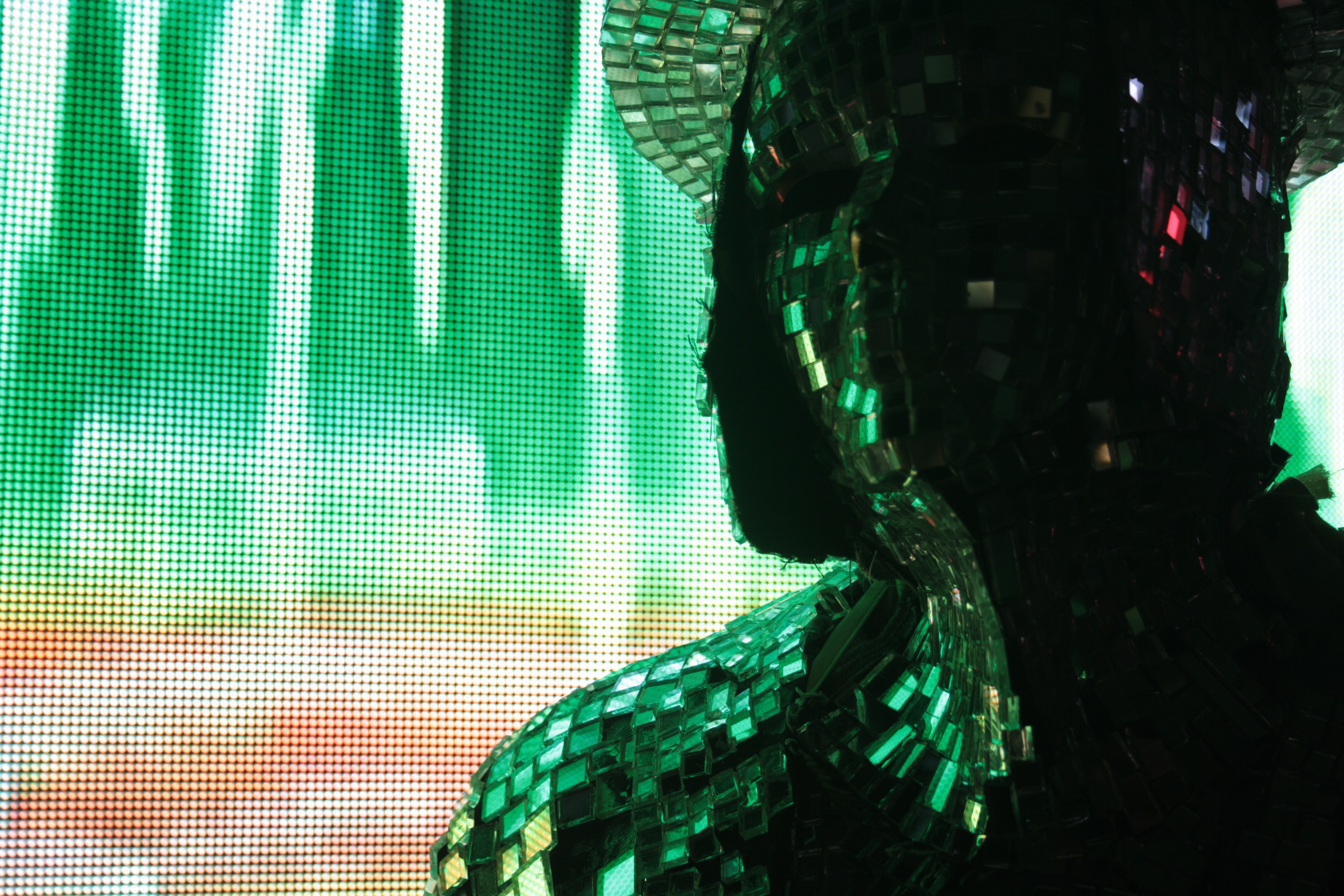
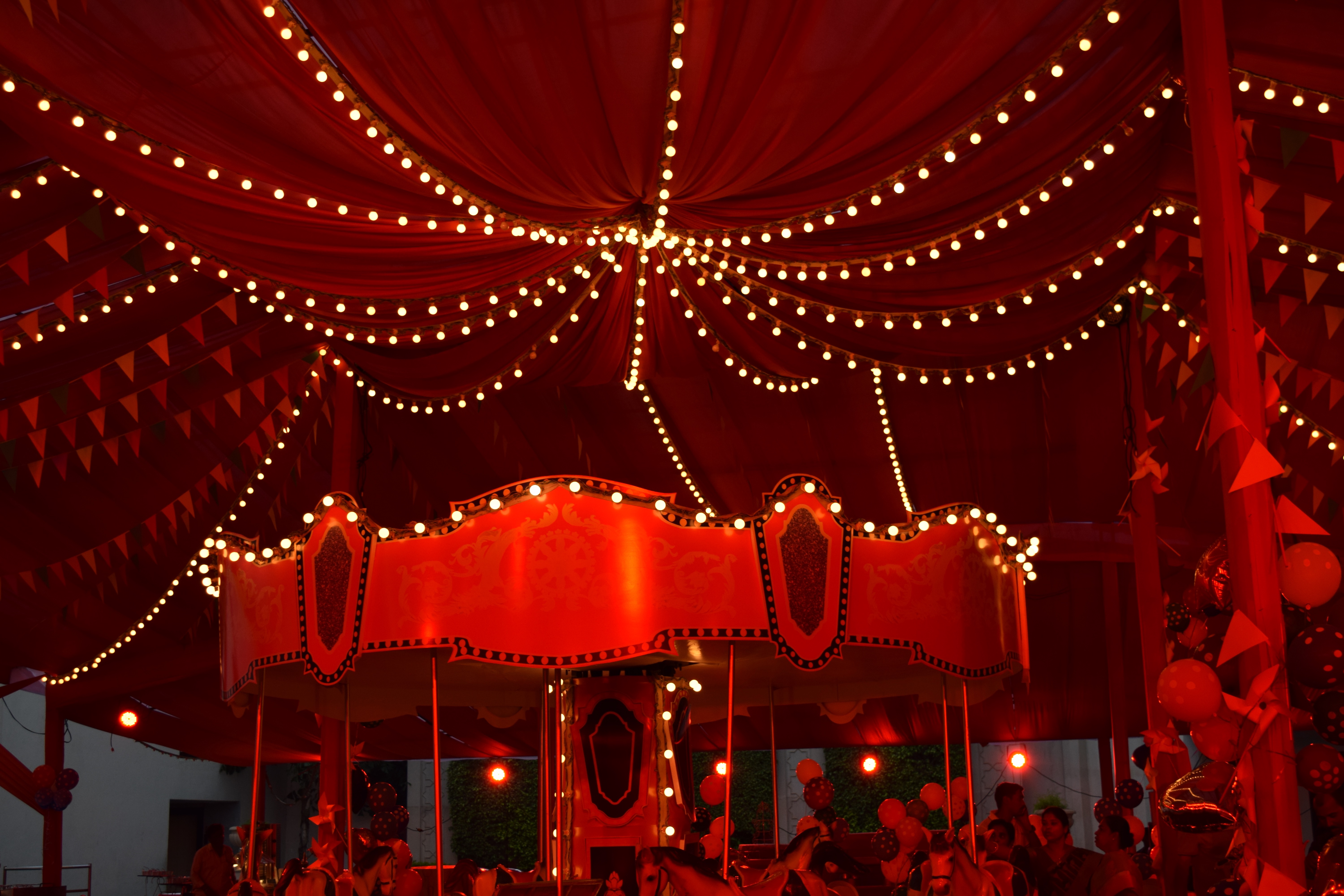
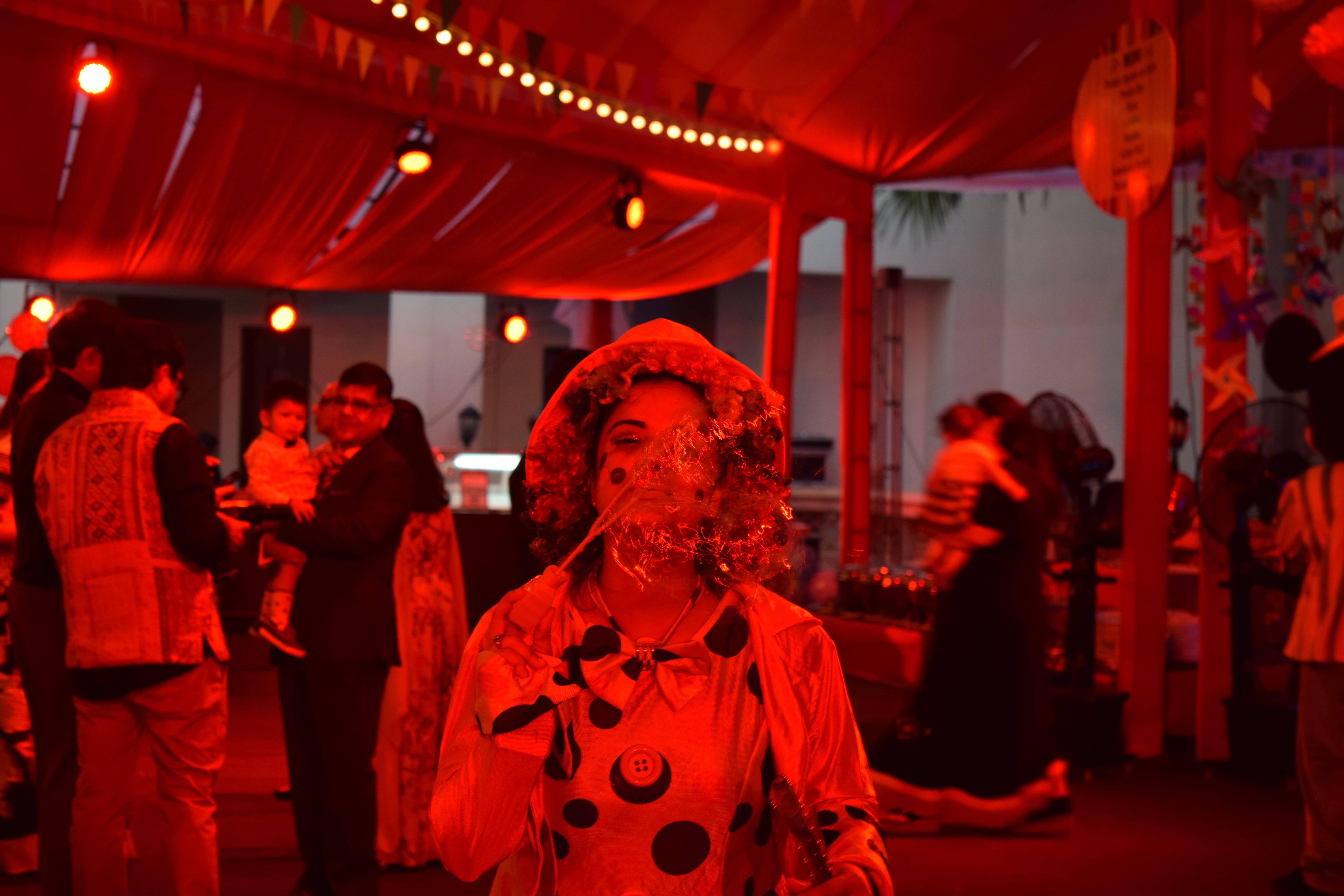
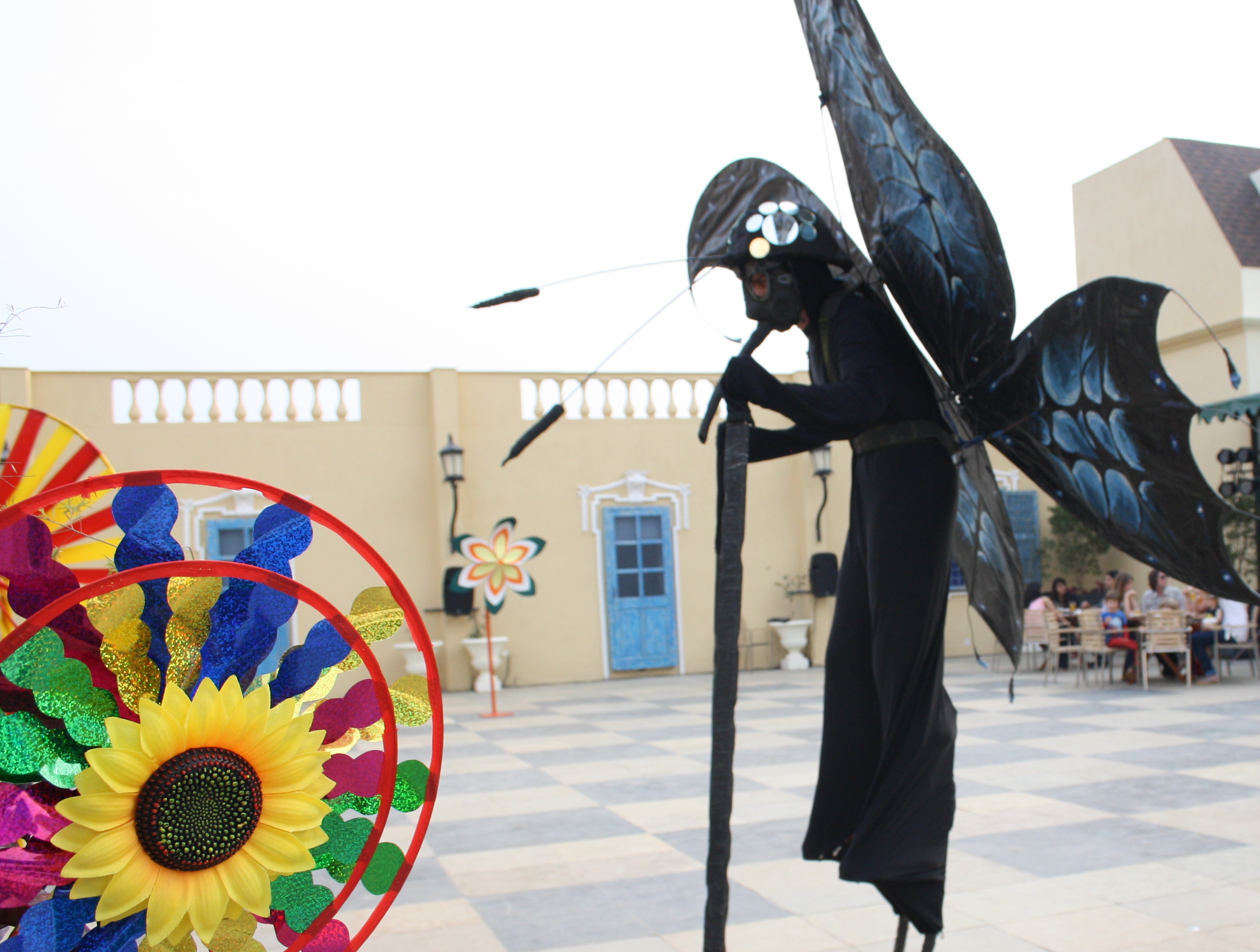
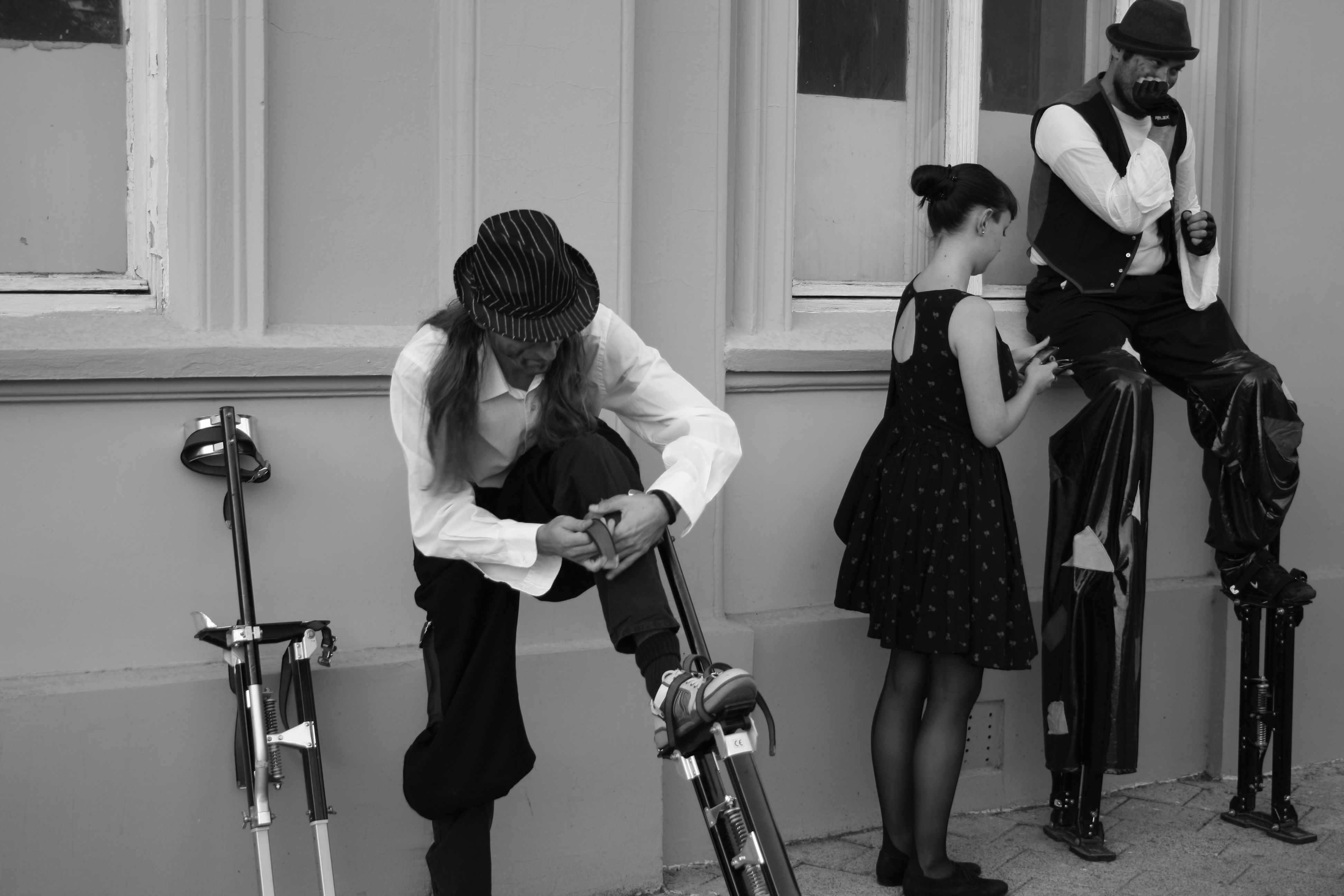
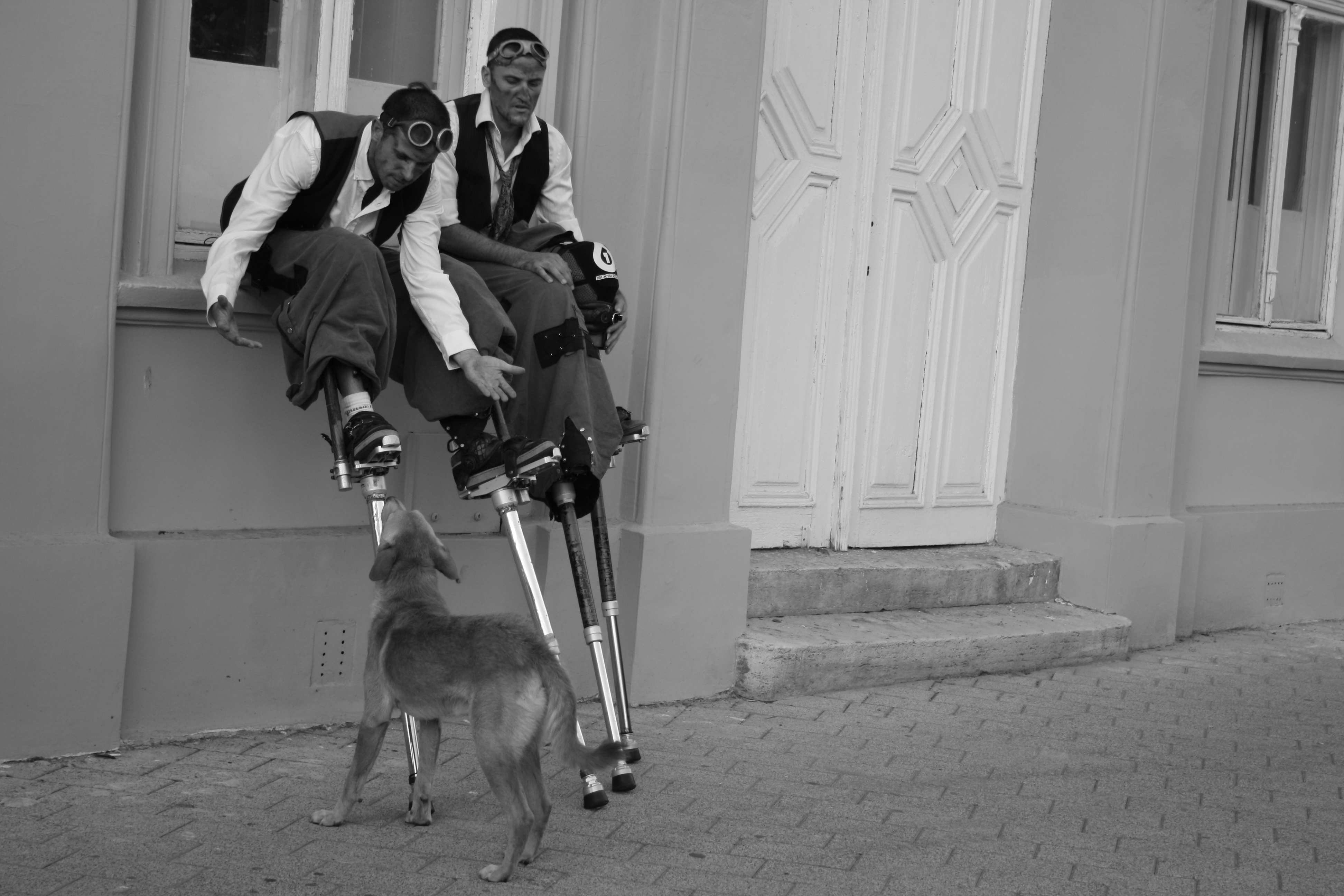
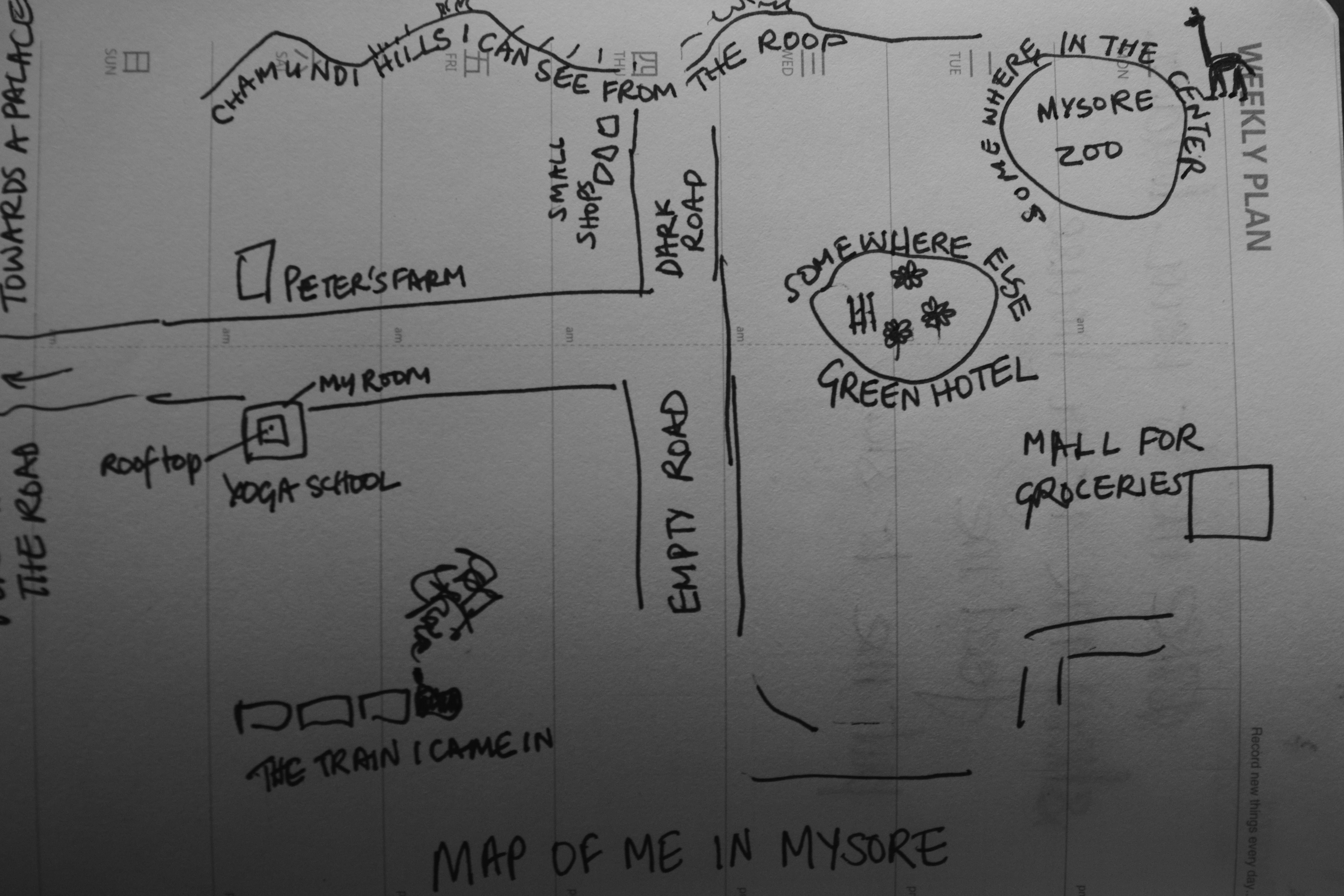

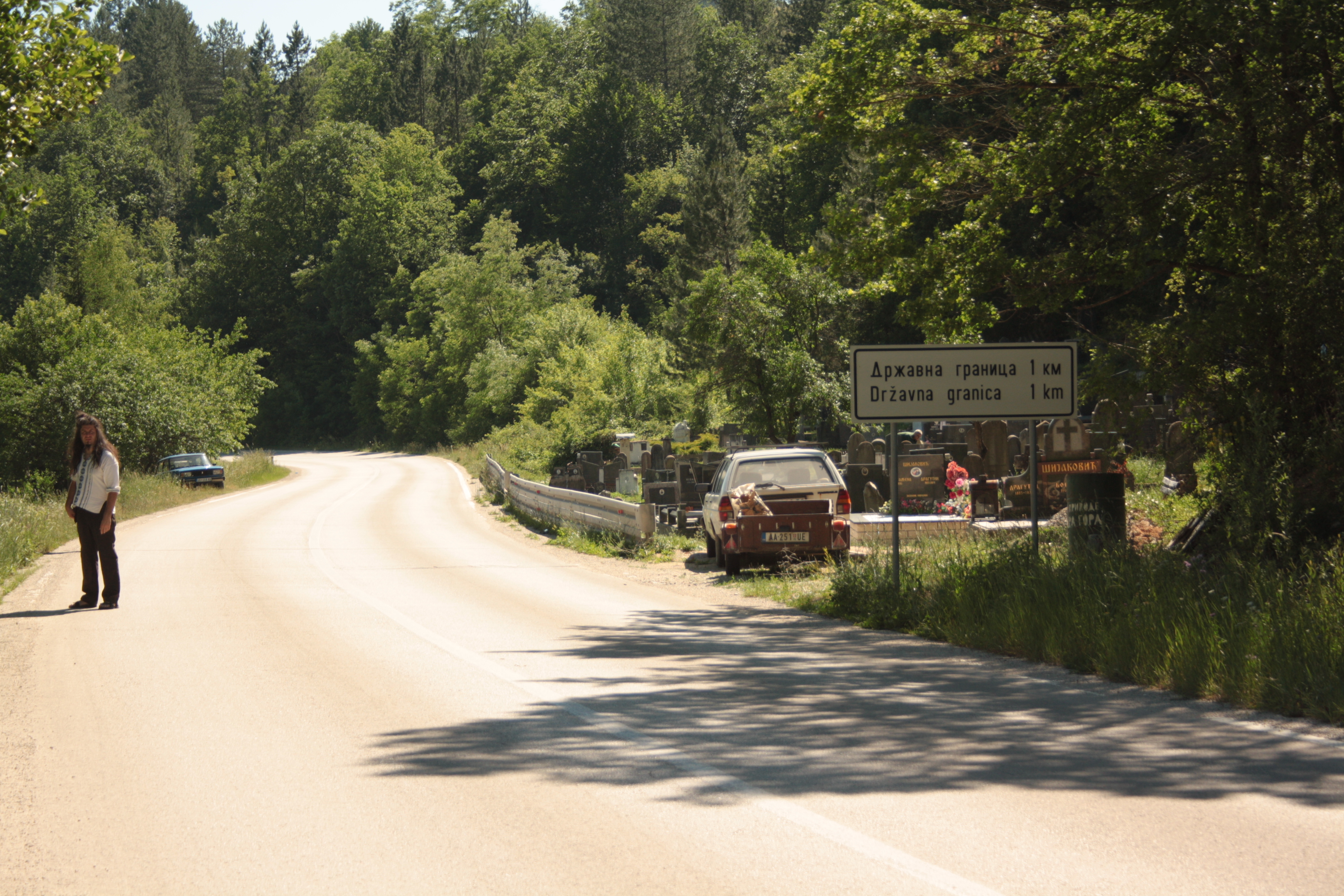
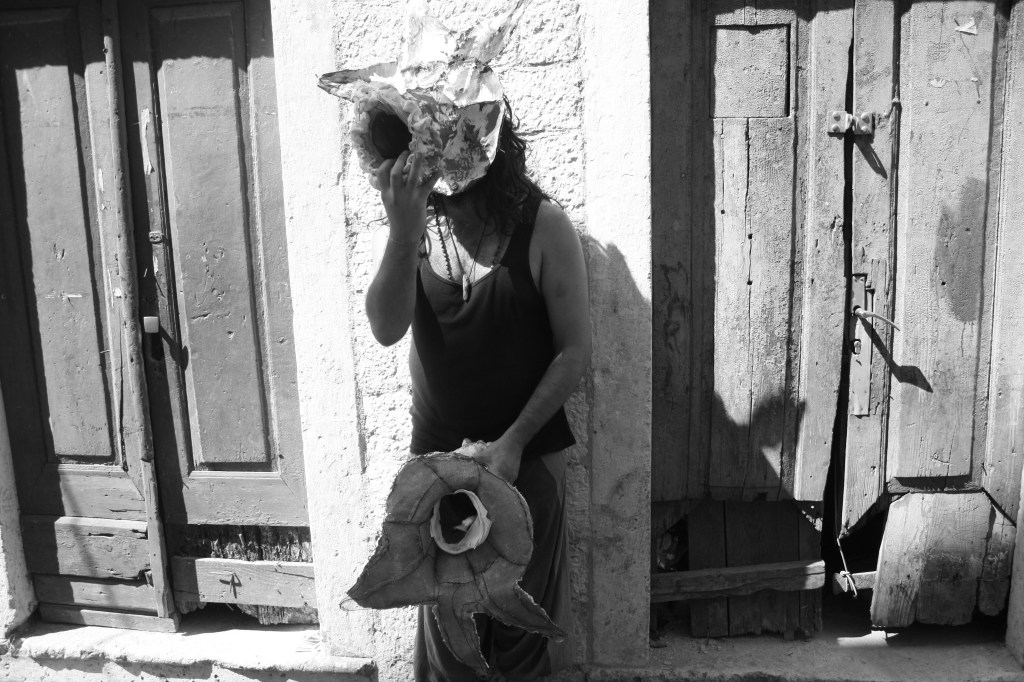
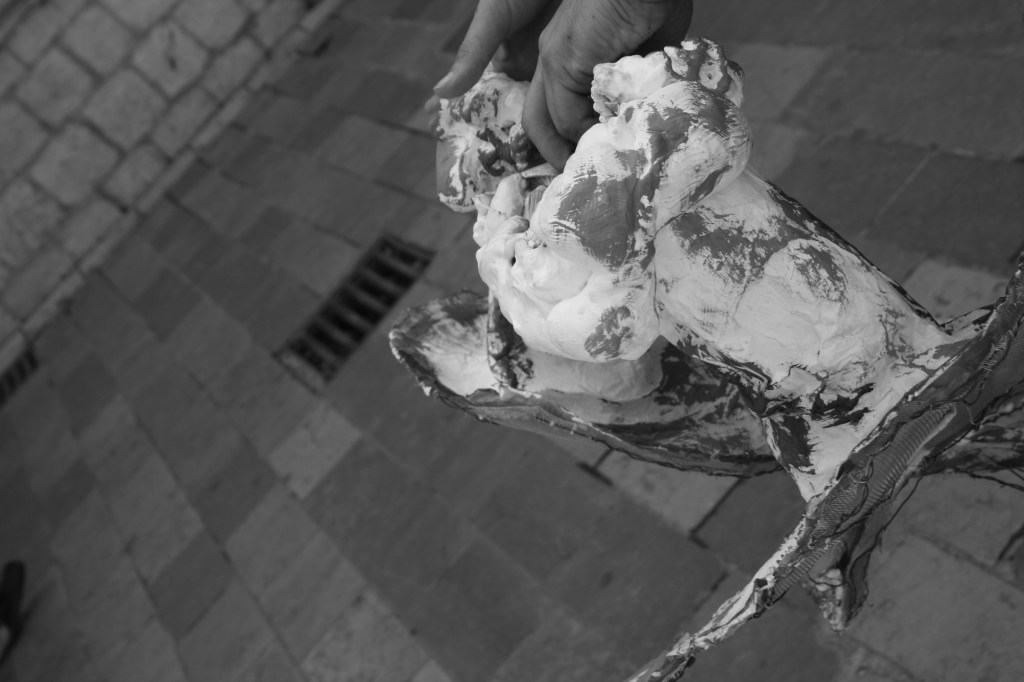
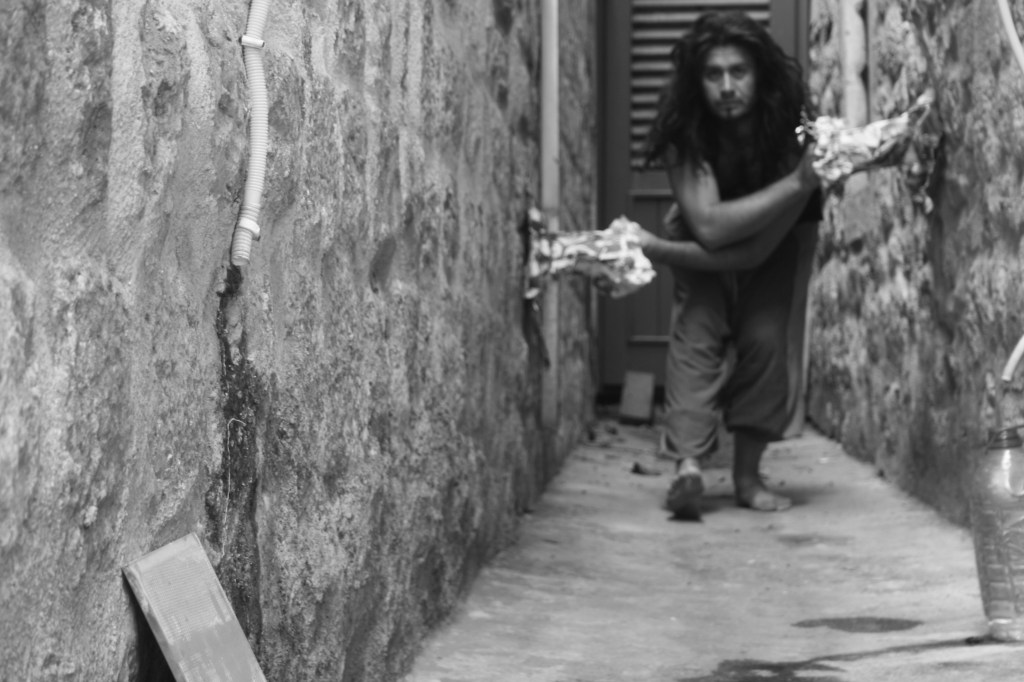
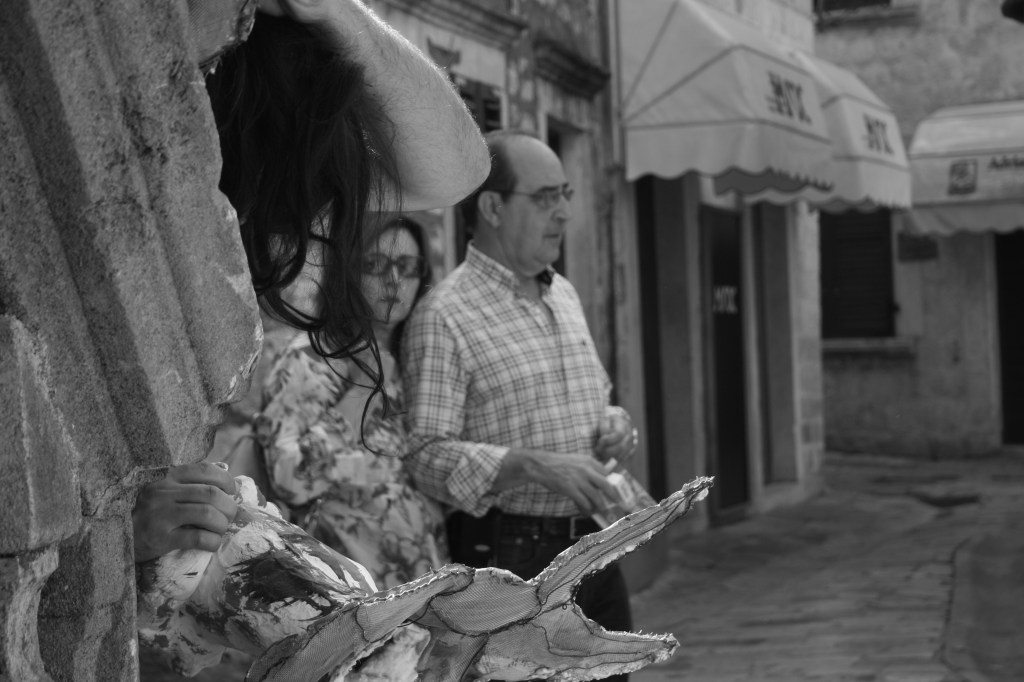
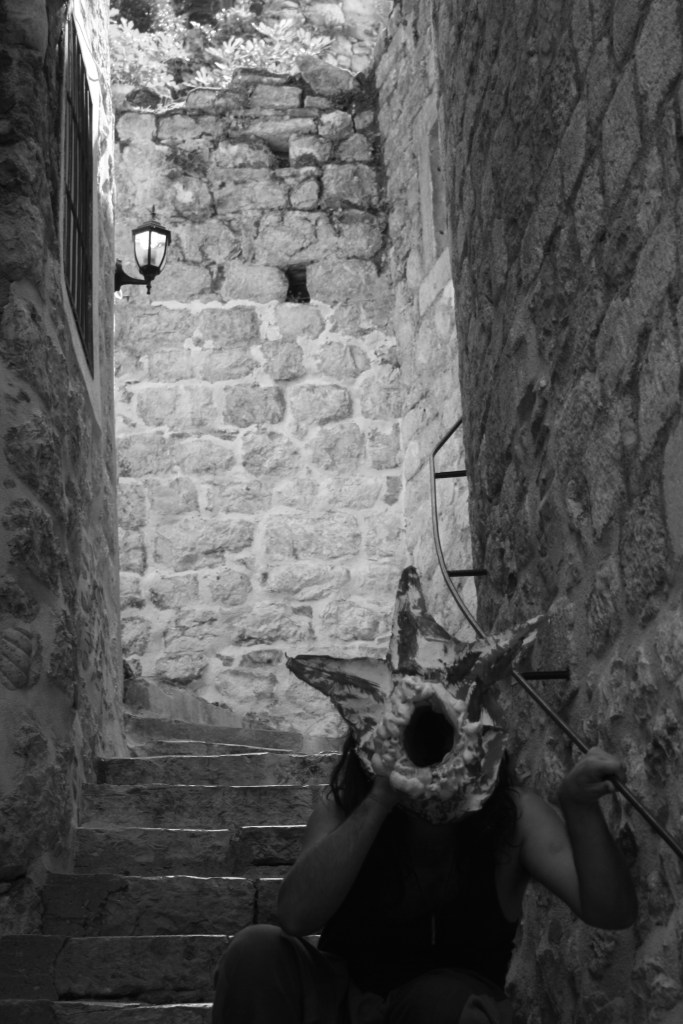
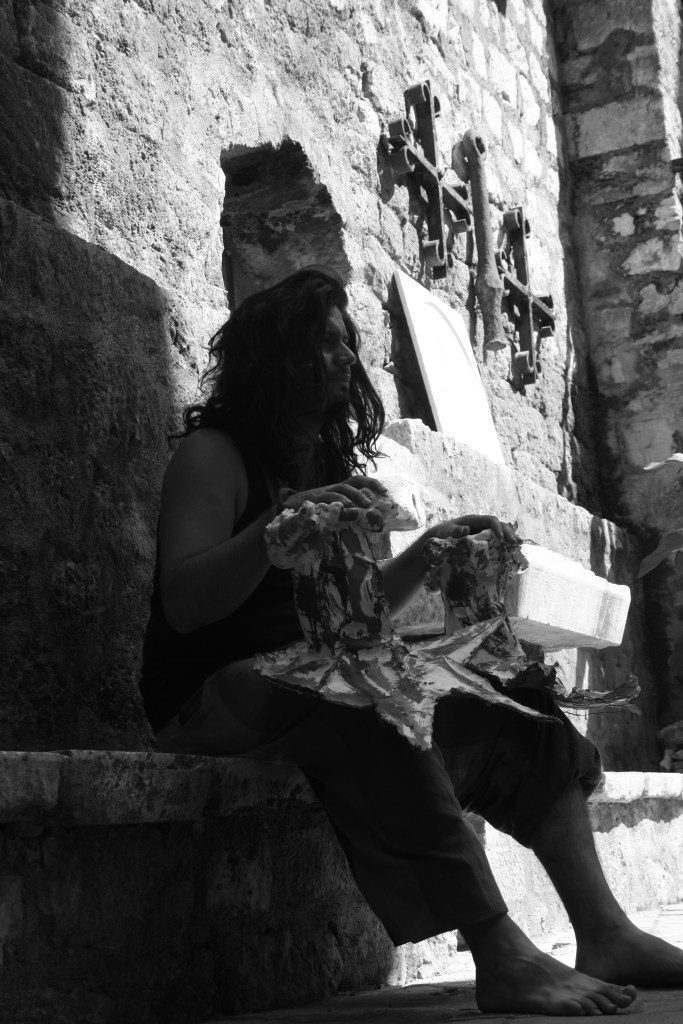
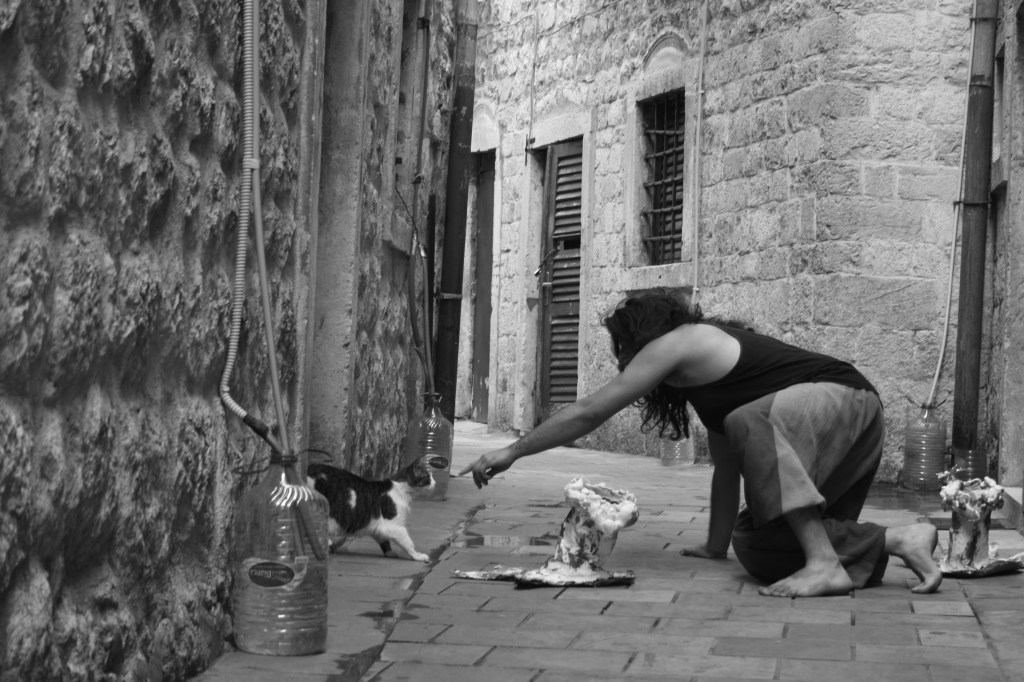
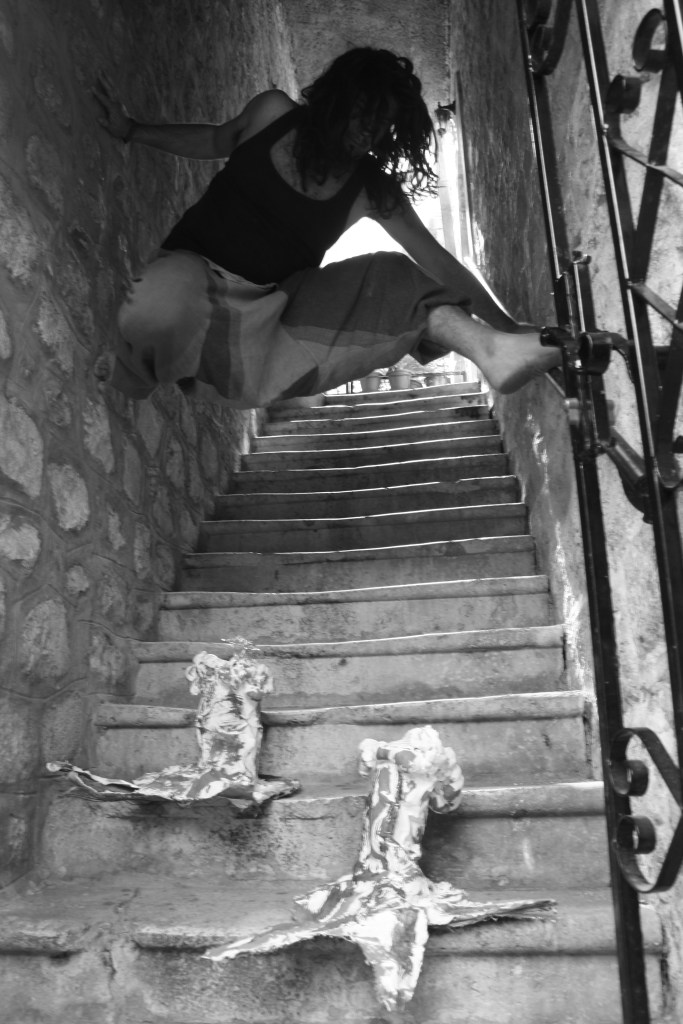
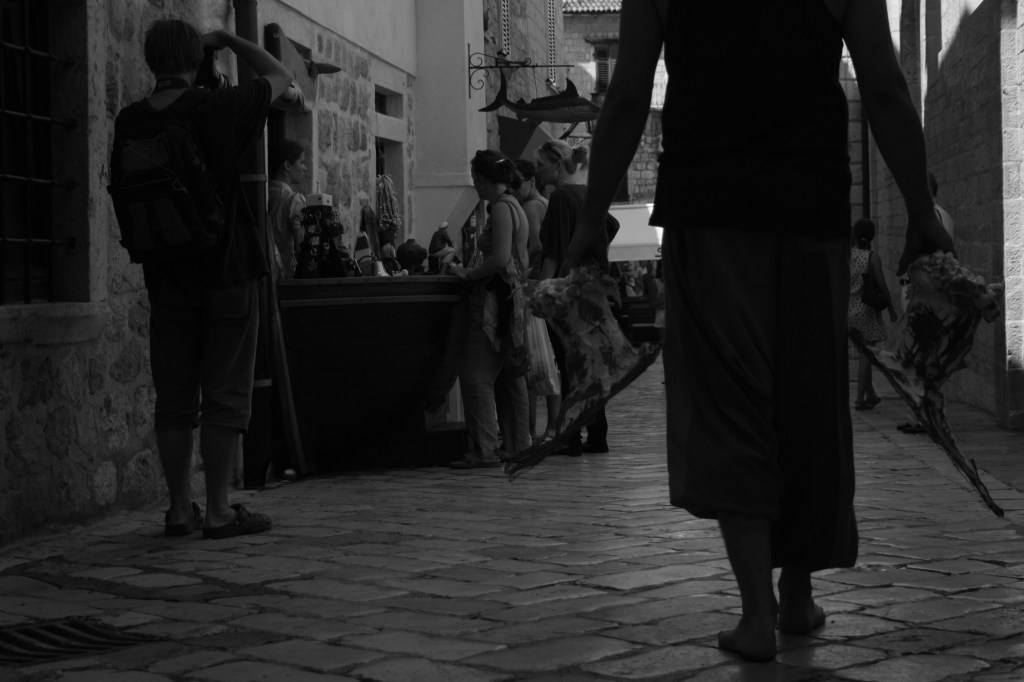
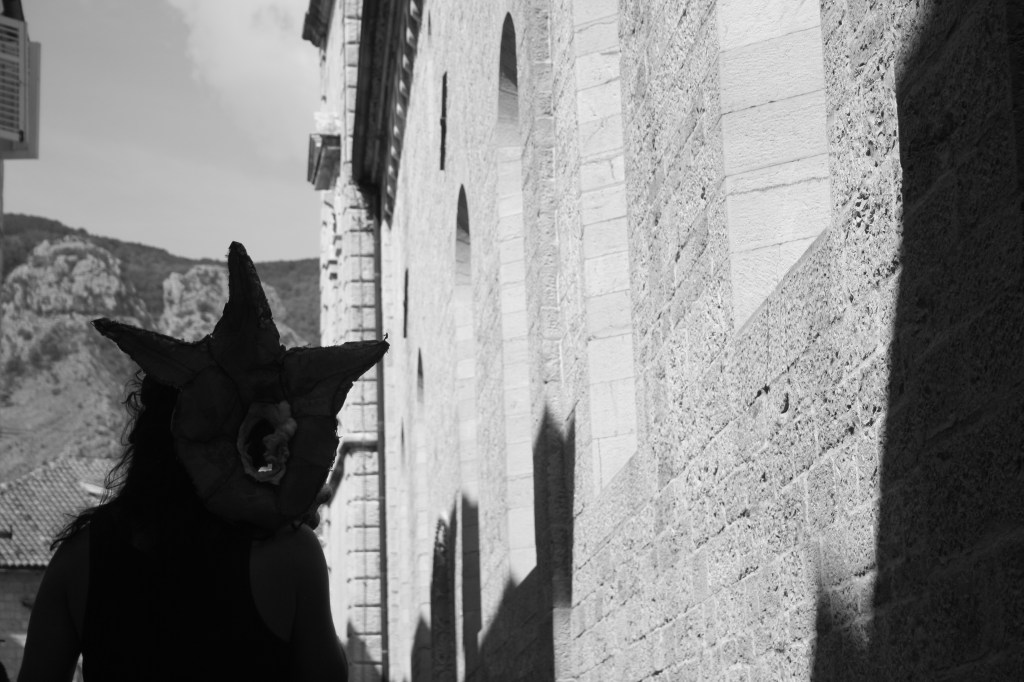
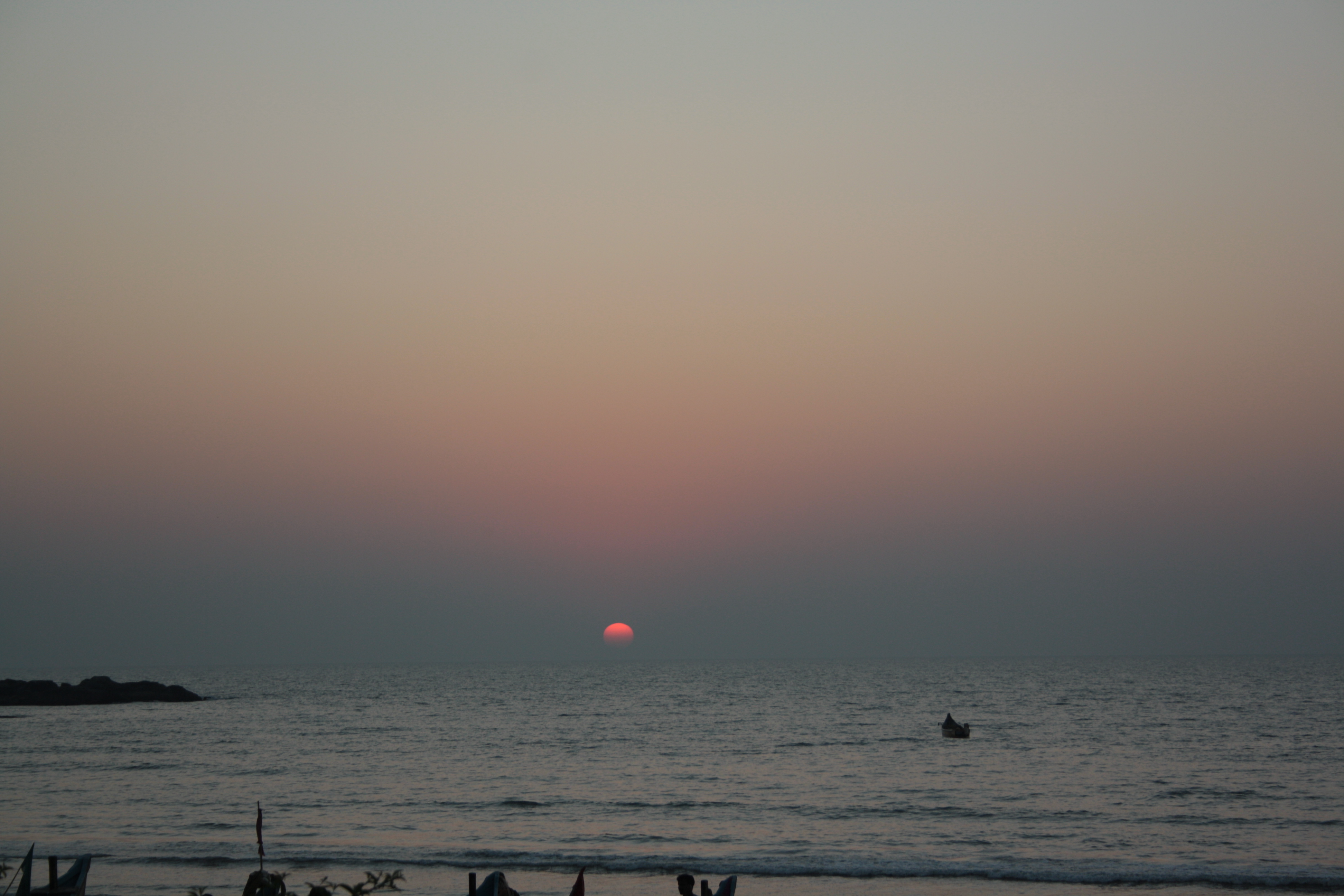
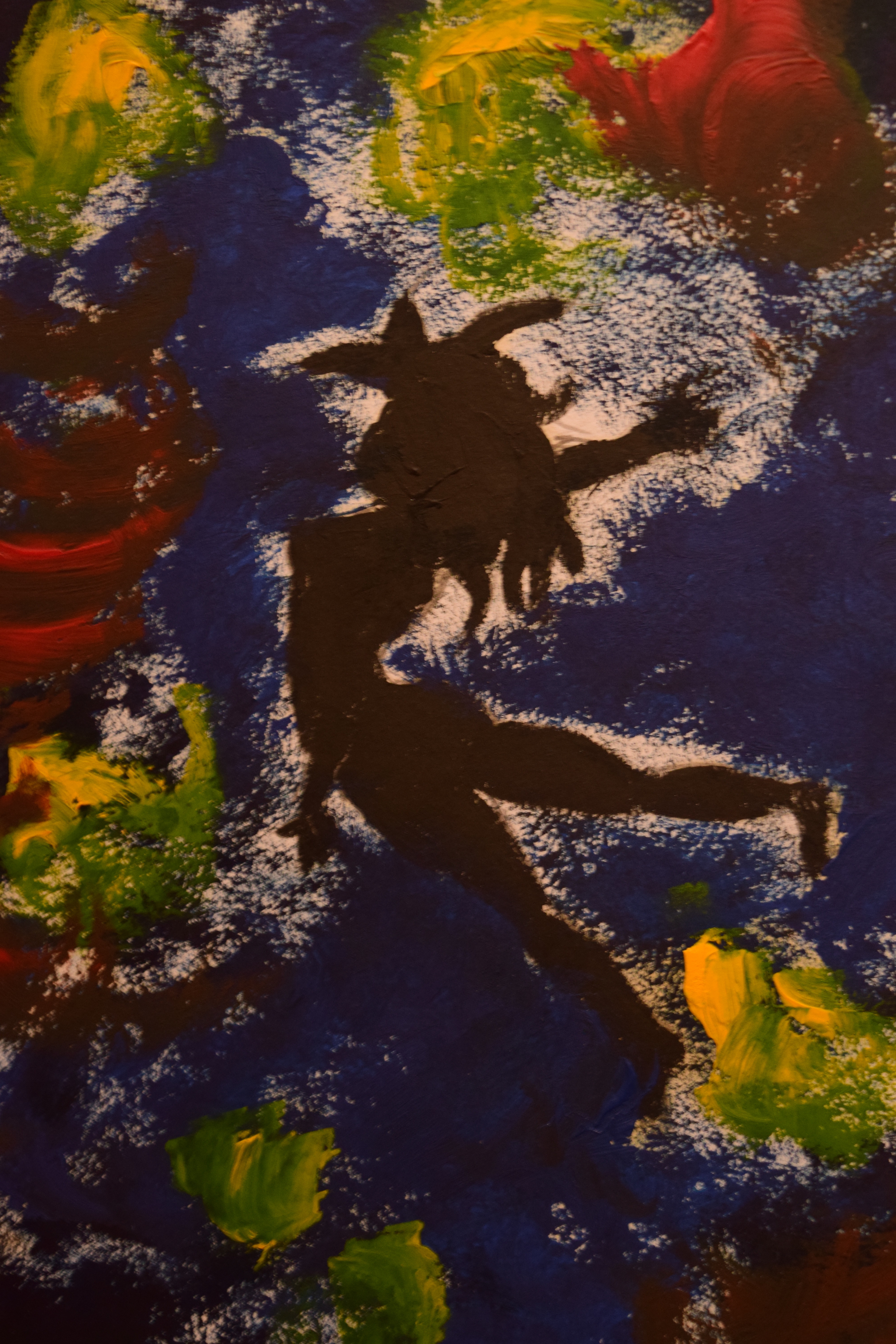
 The Gnoose